Reference Project Profiles
Engineering reference profiles for the typical MV/HV transformer projects we handle. Each profile describes the technical challenge, our engineering approach, and the specification we would recommend for a similar project.
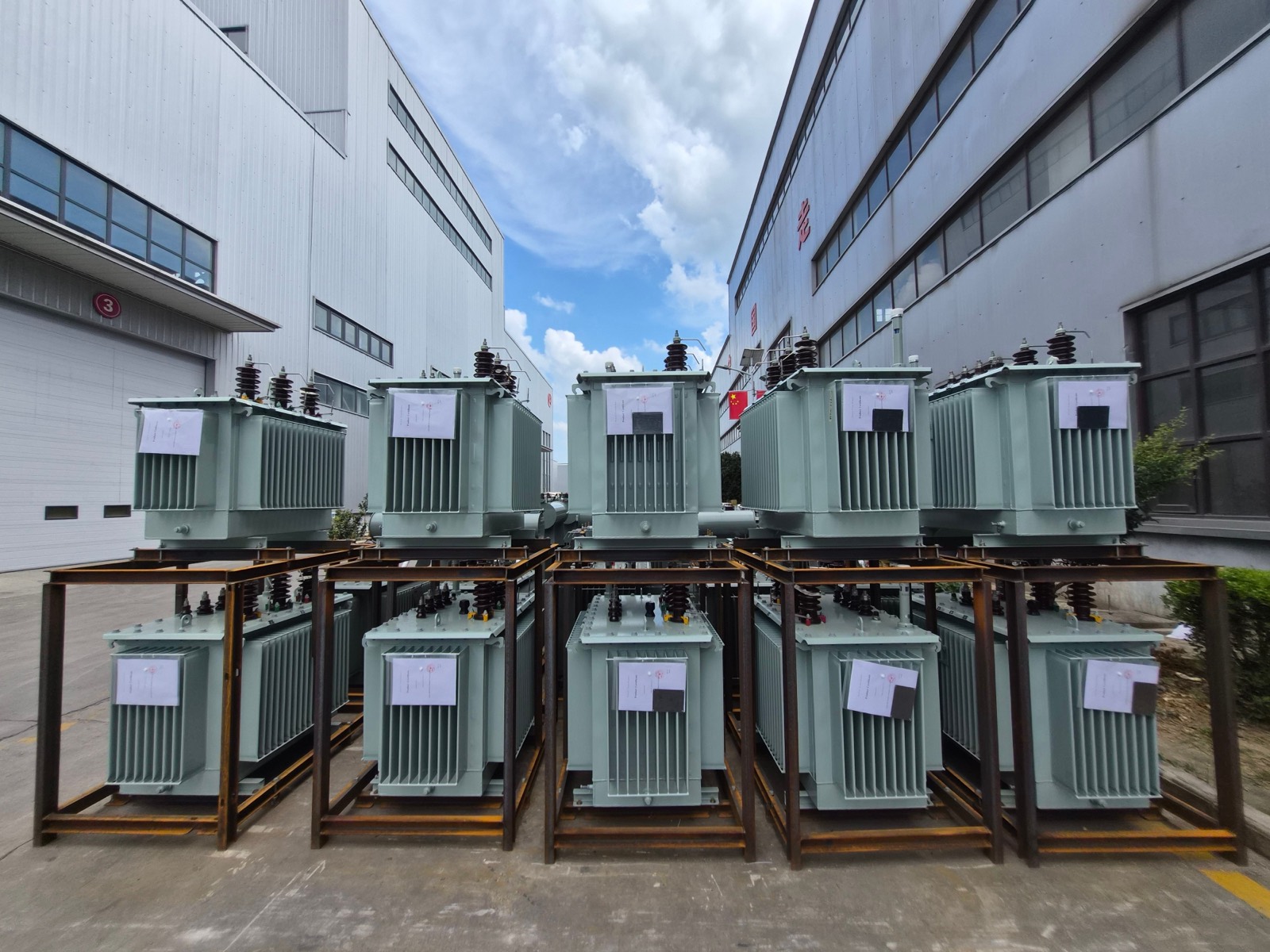
Custom 10kV/0.4kV Distribution Transformer for Hot-Climate Mining Project
Standard ONAN cooling is insufficient at 55°C ambient, and IP23 enclosures allow dust penetration that has historically caused winding insulation breakdown. International OEM quotes often run at 3x the procurement budget with 6-month lead times, while mine expansion timelines are usually measured in weeks.
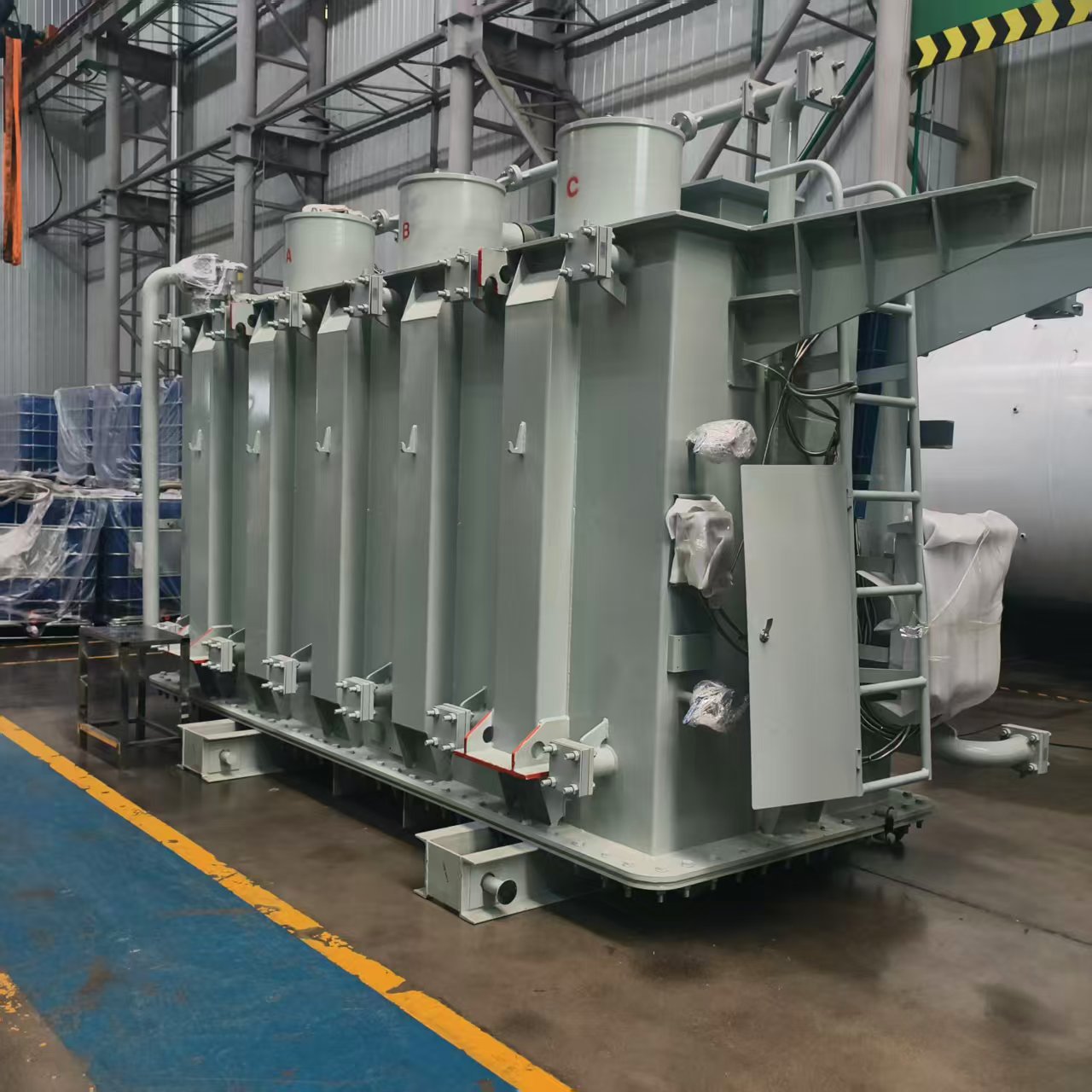
35kV Power Transformer for Desert Solar Farm
Desert-rated transformers require hermetically sealed conservator design, UV-stable coatings (3-coat, 250μm DFT), and ONAF cooling rated for full-load duty at 55°C. Standard products either fail type tests or degrade rapidly under these conditions. Grid connection deadlines typically have penalty clauses of hundreds of thousands of dollars per week.
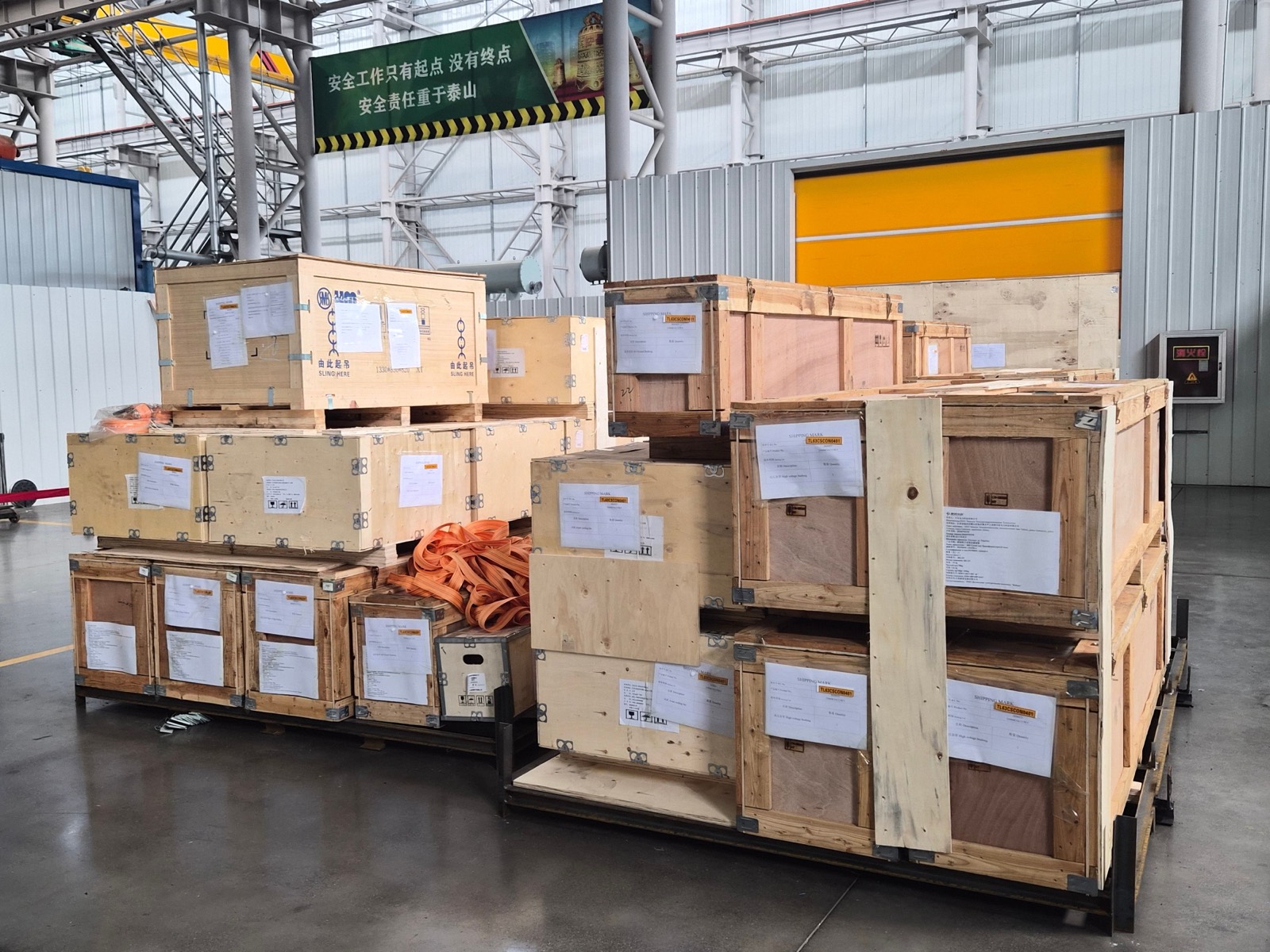
Compact Dry-Type Transformer for European-Style Urban Development
Standard oil-immersed transformers are too large for compact rooms and exceed noise limits. European dry-type manufacturers typically quote 20-week lead times at premium pricing. Building construction schedules often require transformer installation within 8 weeks to avoid delaying the entire electrical fit-out, with potential liquidated damages of several hundred thousand euros per week of delay.
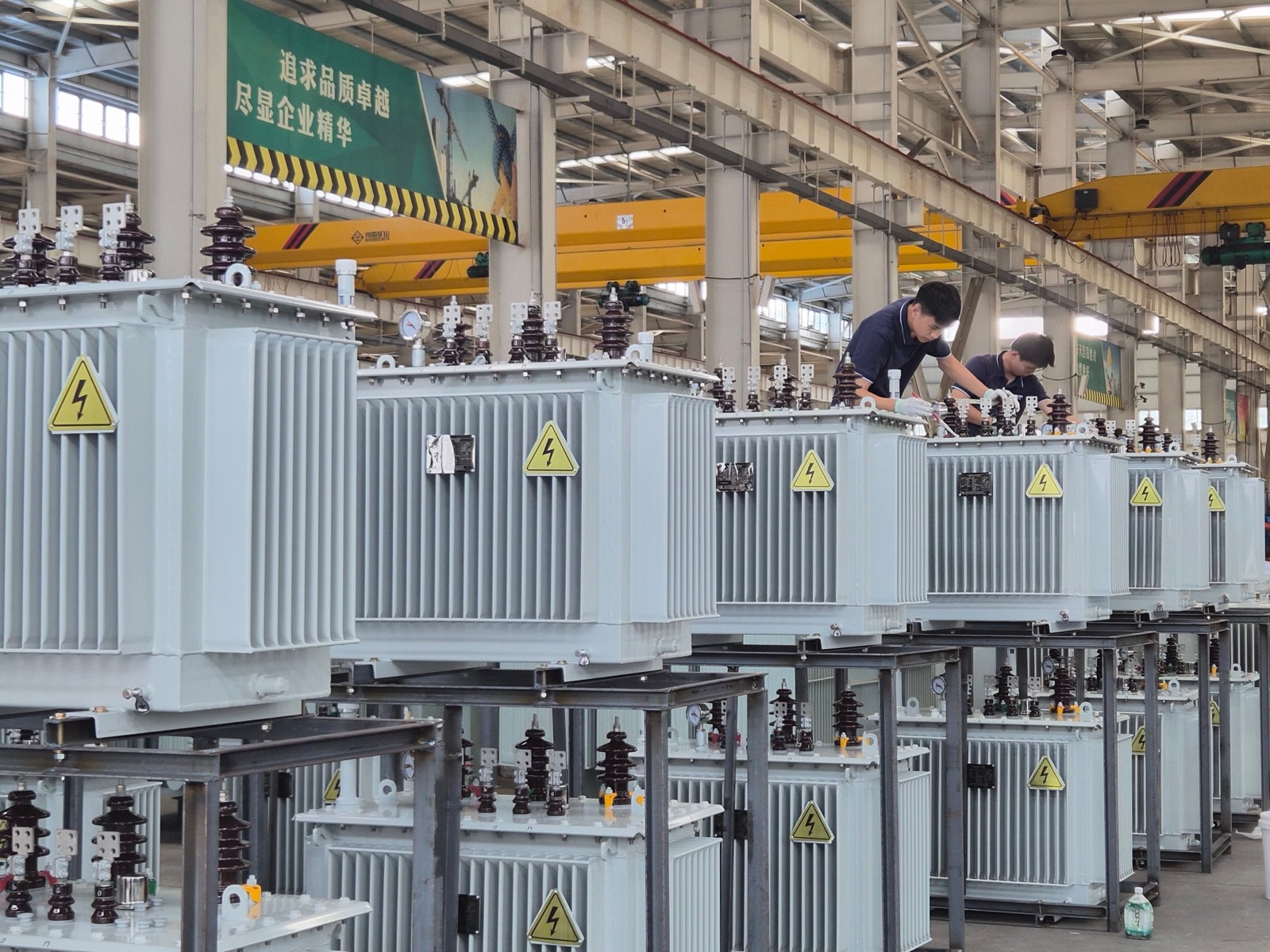
Frequency-Conversion Transformer for 50Hz/60Hz Industrial Zones
Standard step-down transformers cannot handle the frequency mismatch — running 60Hz equipment directly on 50Hz supply causes motor overheating, timing errors in CNC controllers, and process-quality issues. VFD-based solutions are typically too expensive at the 5MVA scale. Production schedules depend on having compatible power available when factory equipment arrives.
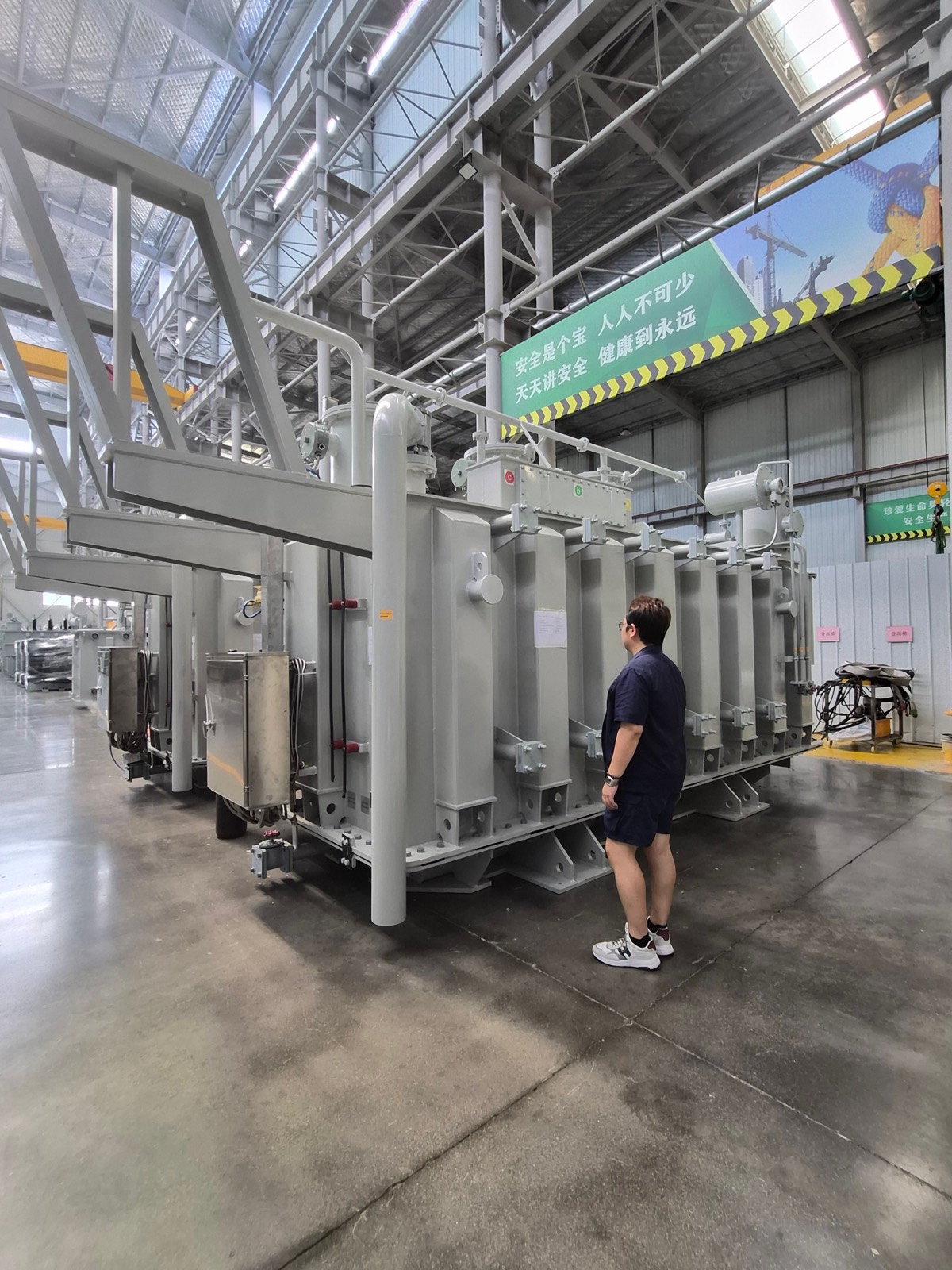
Emergency Replacement Power Transformer (Up to 110kV)
A new custom-built replacement from the original manufacturer can take 40+ weeks. The utility needs a compatible replacement — matching vector group, impedance, BIL, and physical dimensions for the existing foundation and busbar connections — within 6-8 weeks. Back-up generation can typically sustain only a fraction of normal demand, and winter/summer peak conditions make the situation time-critical.
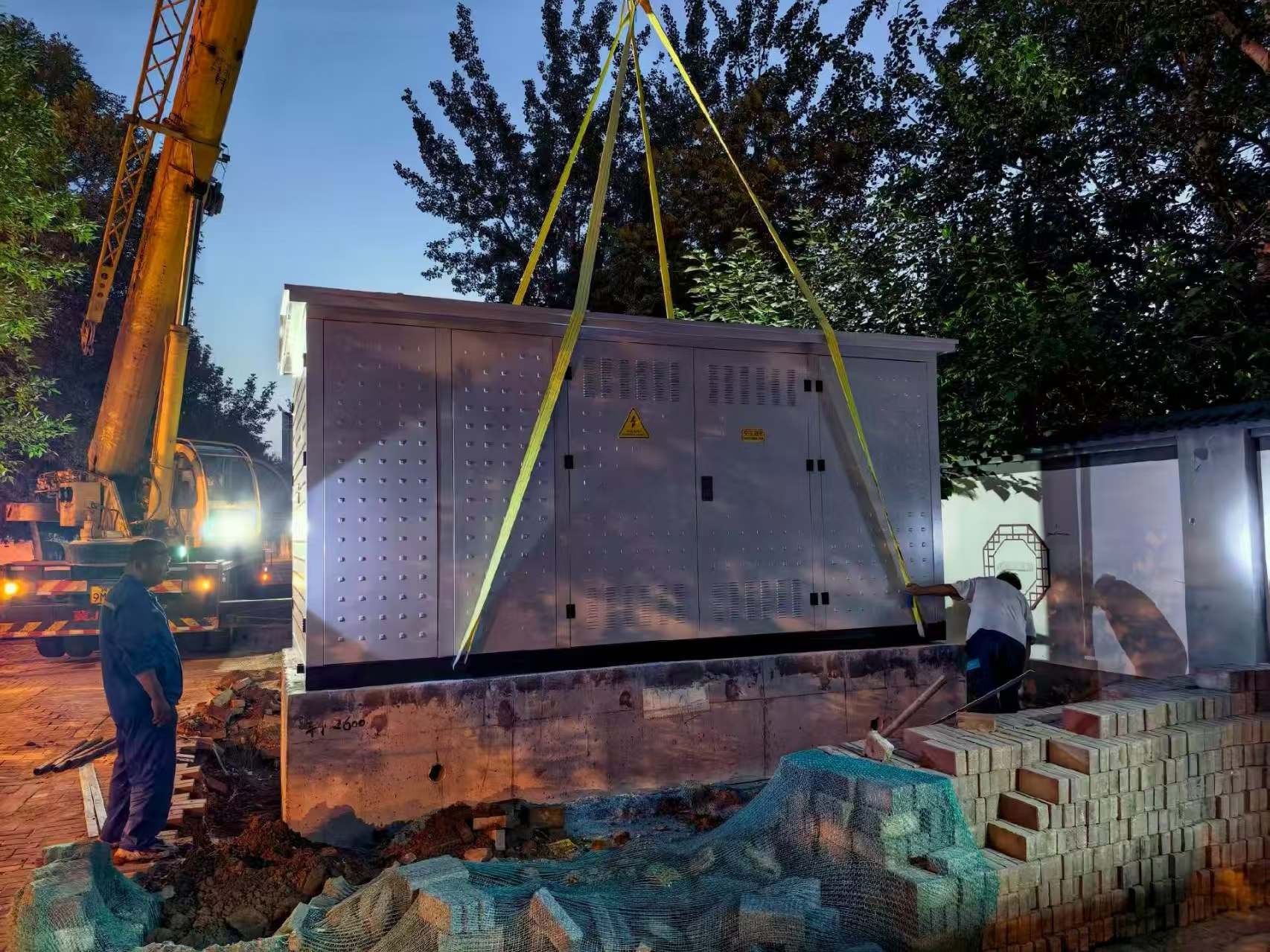
C4M Anti-Corrosion Power Transformer for Coastal Substation
Specifications typically require C4M-level surface anti-corrosion per ISO 12944, with paint film thickness of 200μm minimum, verified by third-party inspection. Many manufacturers struggle to meet this consistently. Packaging and transportation must protect the anti-corrosion coating through the logistics chain (factory → port → sea freight → local port → overland → site). Inspection failures on previous supplier deliveries are common, causing multi-month project delays.
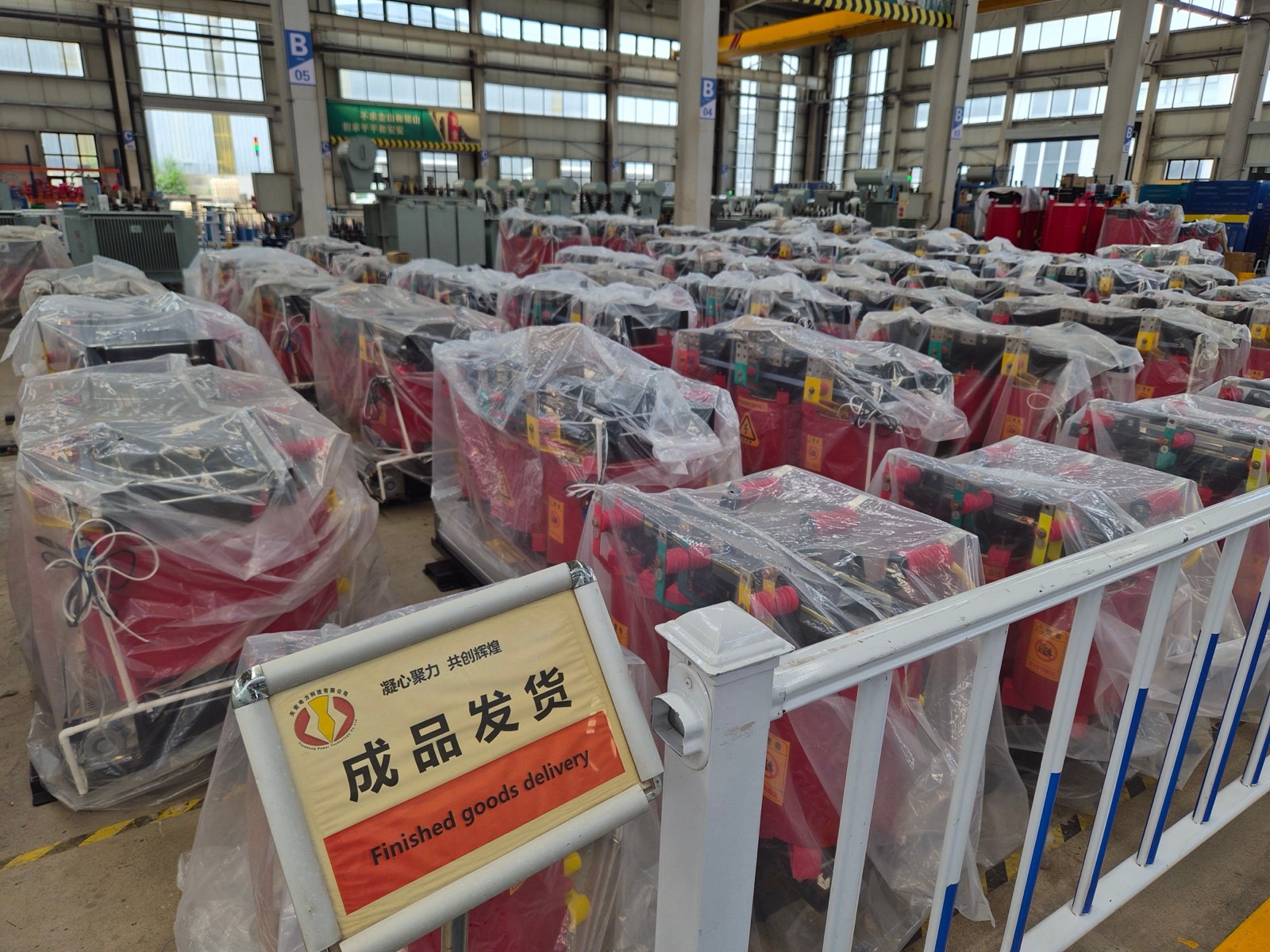
Step-Up Transformer for Wind Farm Collection Systems
Wind farm transformers must withstand harsh environmental conditions — for offshore: salt-fog corrosion per C5-M, sustained vibration from turbine and platform motion, and constrained footprint; for onshore: thermal cycling, dust, and grid code compliance. Standard substation transformers fail corrosion testing within 24 months and vibration qualification within the first major storm season.
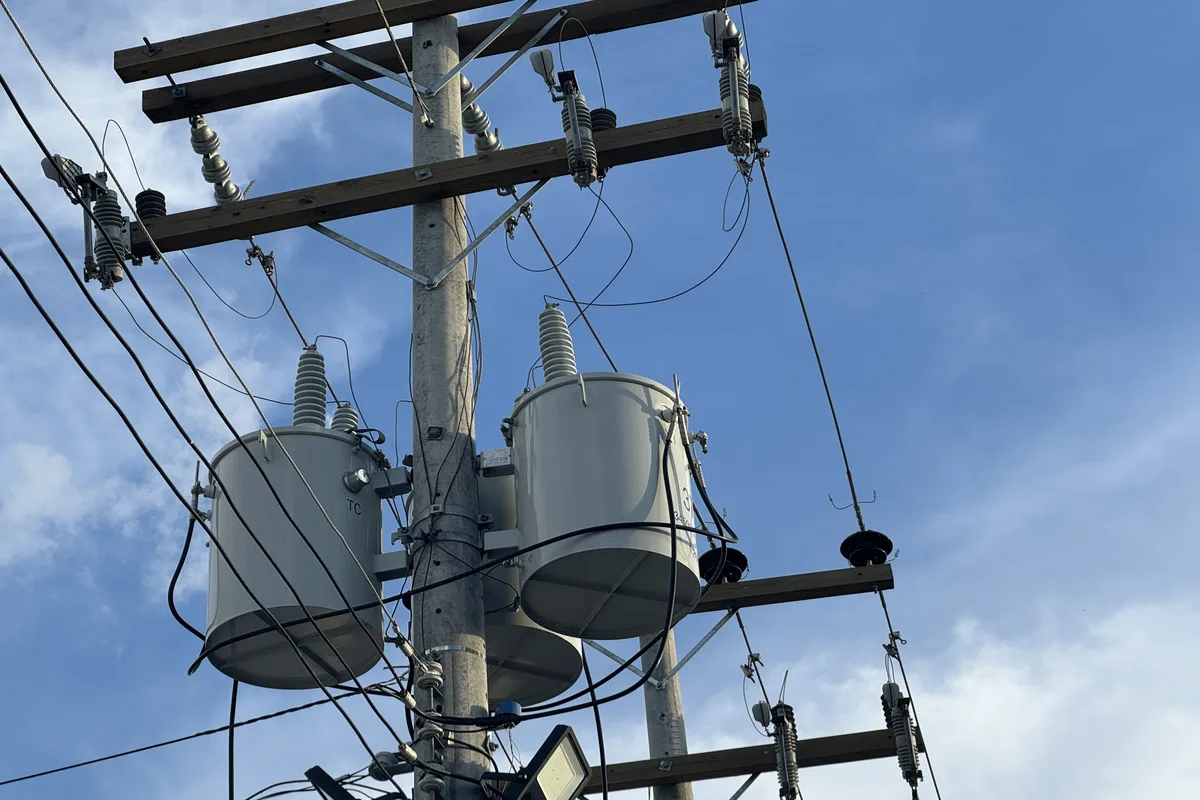
UL-Listed Substation Transformer for US Industrial Facility Expansion
North American buyers often assume ANSI-standard transformers cannot be reliably sourced outside a handful of domestic OEMs, whose backlogs frequently run 50-70 weeks for medium-power units. The facility's utility had a fixed interconnection date, and missing it meant a full year's delay to the next available switching window. The transformer also needed to physically match ANSI BIL ratings, standard US bushing spacing, and 60Hz core design — not a relabeled 50Hz unit.
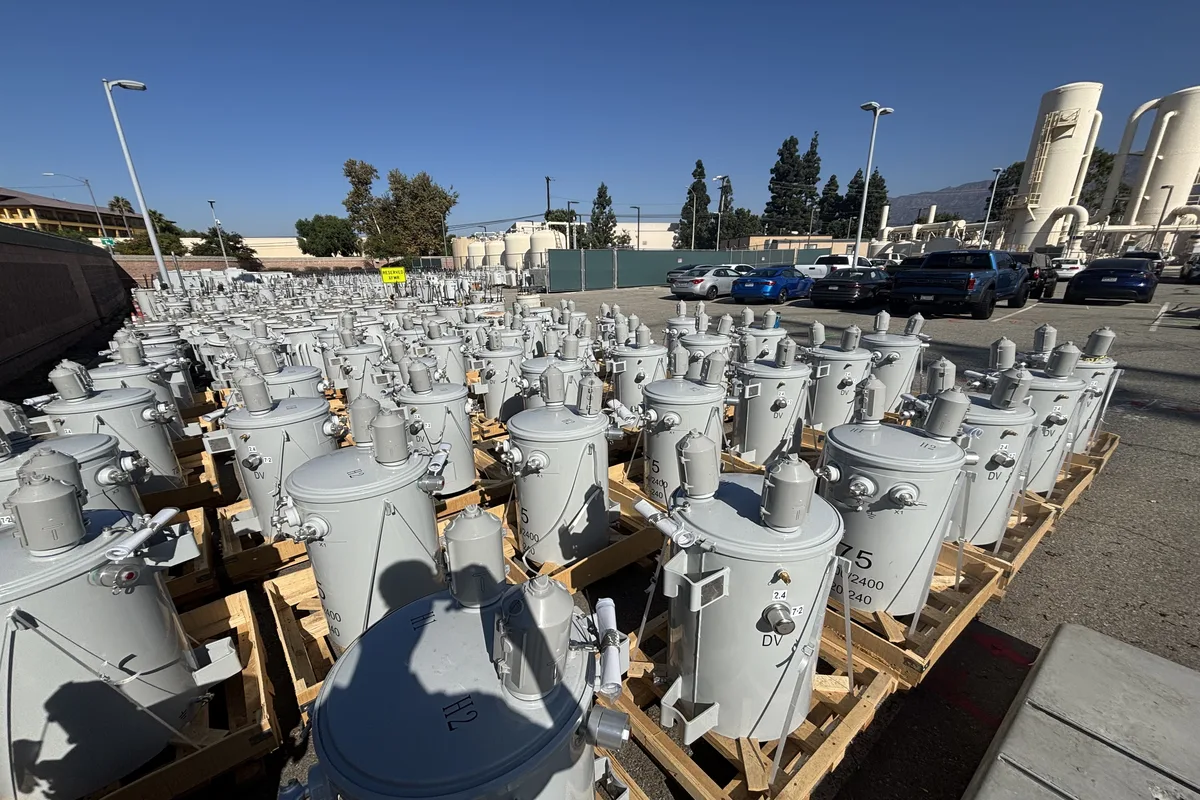
Batch Supply of Oil-Immersed Distribution Transformers for a North American Project
The common failure in first-time non-domestic sourcing is a 50Hz-designed core relabeled for 60Hz instead of genuinely redesigned, and test reports issued only in IEC format that a US utility cannot validate. The project needed genuine 60Hz design, UL listing, and dual-format (IEC + IEEE) reporting.
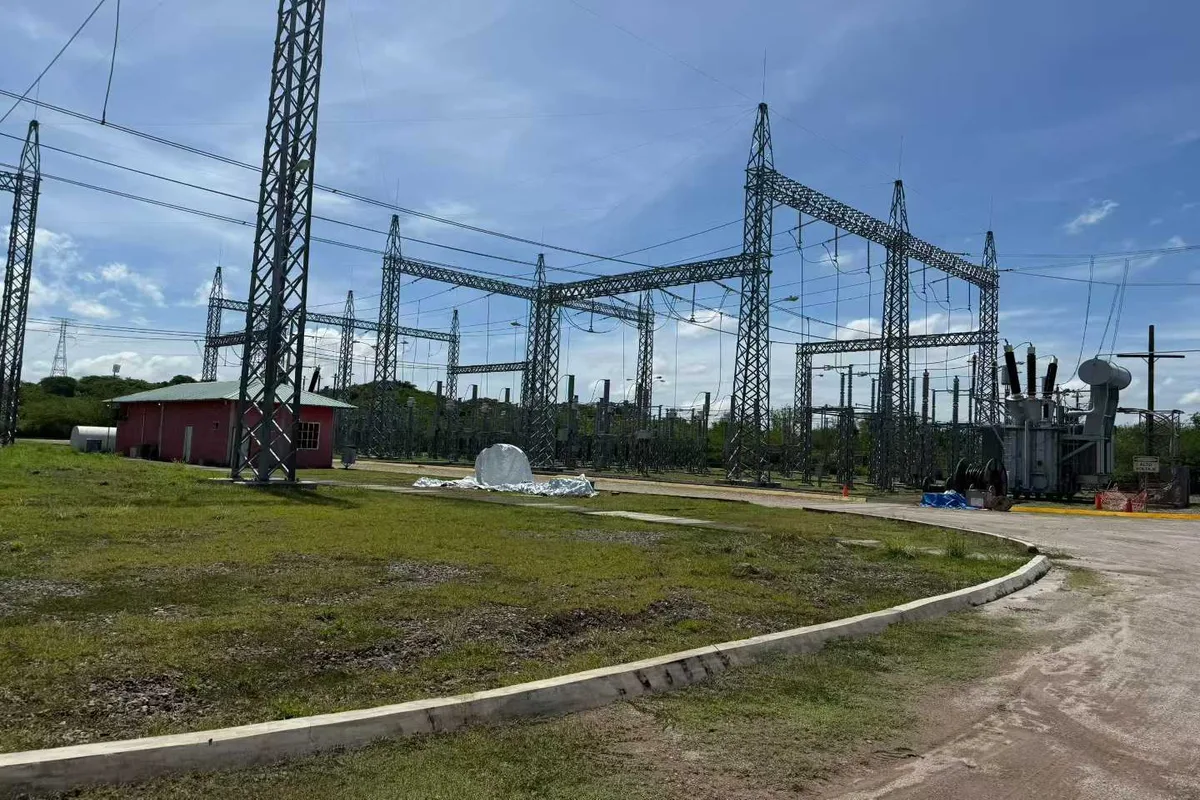
Outdoor Substation Transformer for a Latin American Distribution Project
Integrating the transformer, switchgear, and protection relays into a coordinated assembly, with correct vector group, impedance, and protection coordination — and managing the project cargo logistics for the oversized, oil-filled units.