Technical Resource Center
Expert guides on medium & high-voltage transformer selection, quality assurance, and deployment for overseas buyers — helping you make smarter procurement decisions.
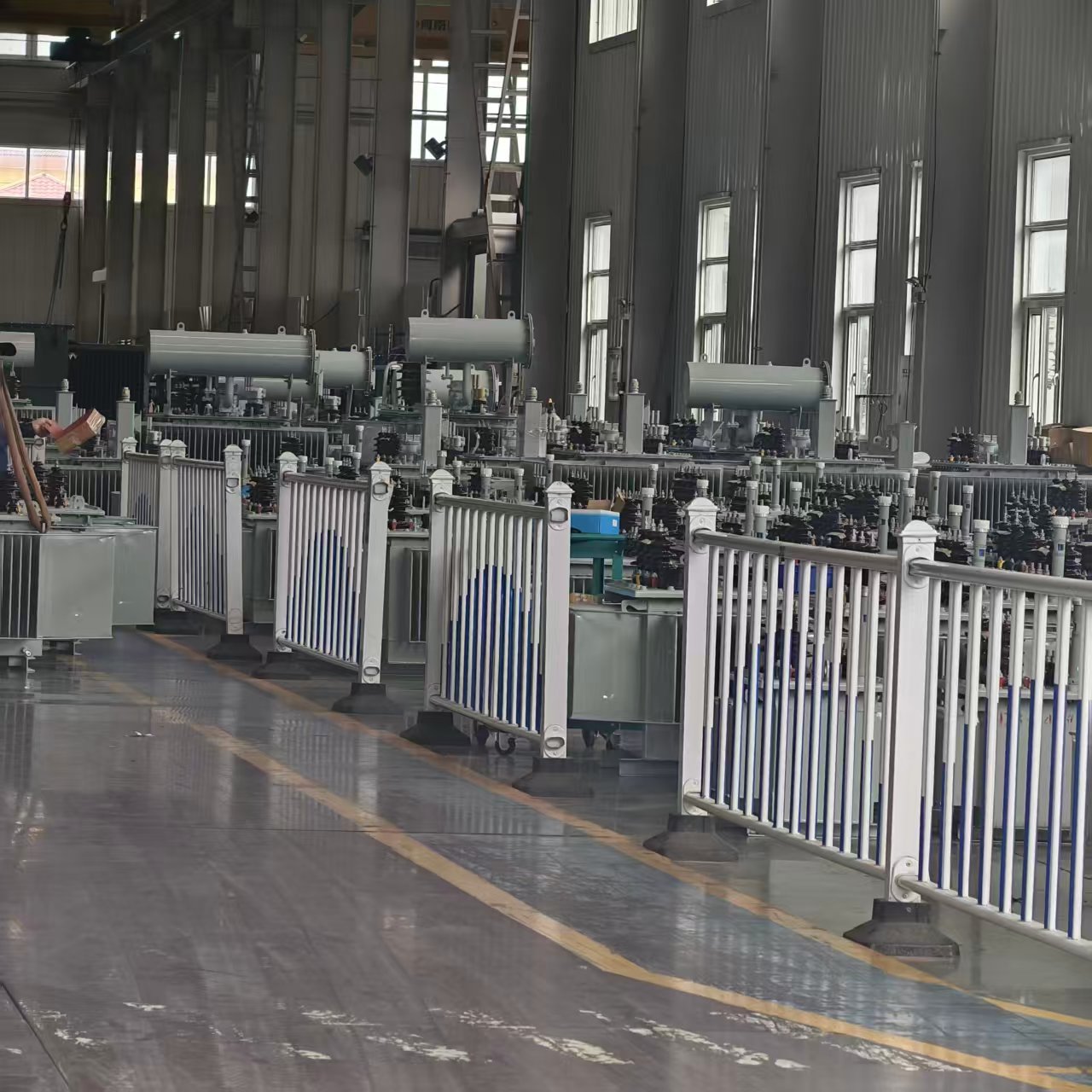
MV/HV Transformer Selection Guide: Choosing the Right Type by Application Scenario
Many overseas buyers focus solely on capacity and voltage rating when procuring transformers, overlooking how cooling method, insulation type, and loss grade critically impact long-term operating costs. This guide walks you through the real decision framework.
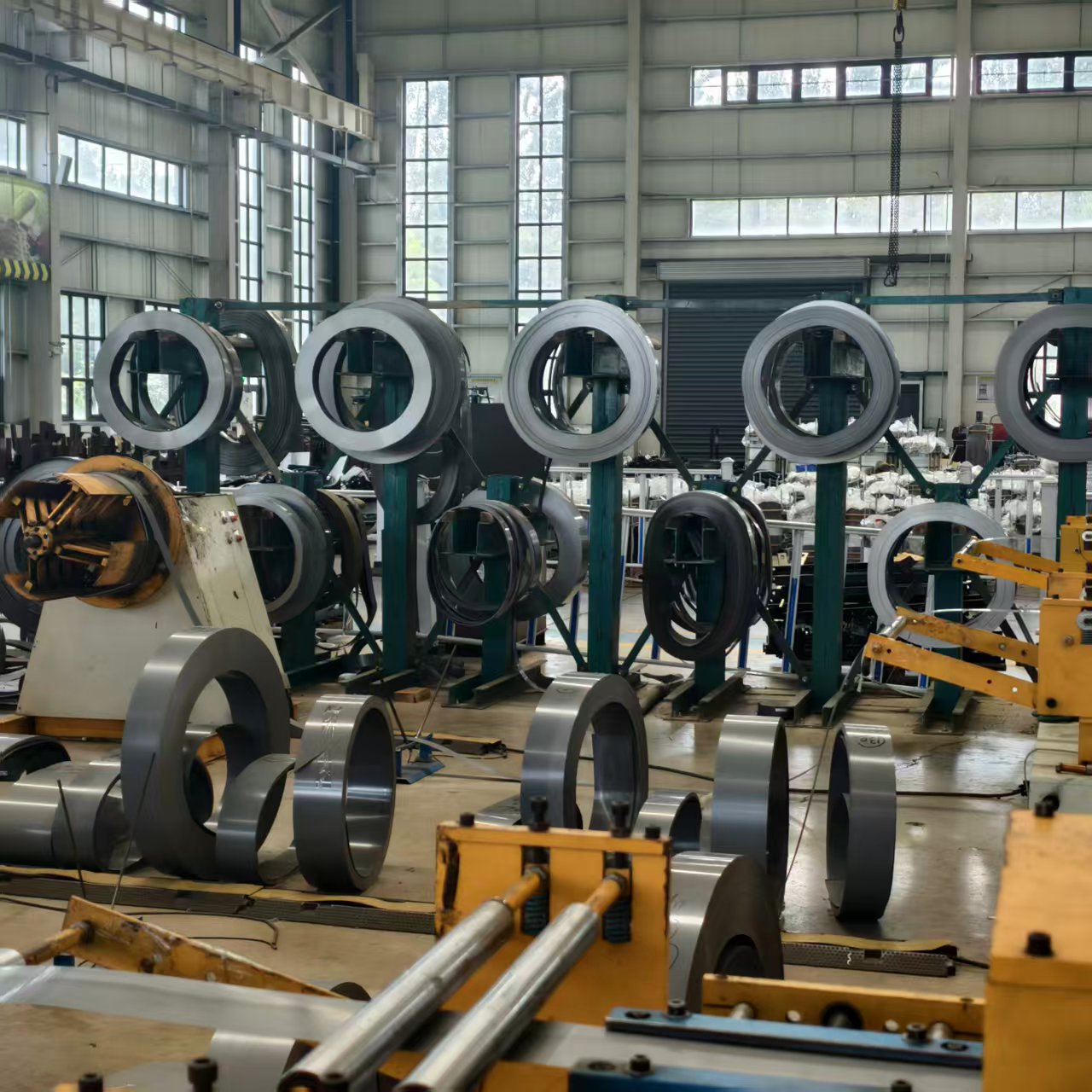
Quality Verification for Overseas Transformer Procurement: From Factory Audit to FAT
Many buyers assume that a valid type test report guarantees quality. In reality, type tests only prove the design works — they cannot prove that the specific unit you purchased was manufactured correctly. This guide covers the complete quality verification chain.
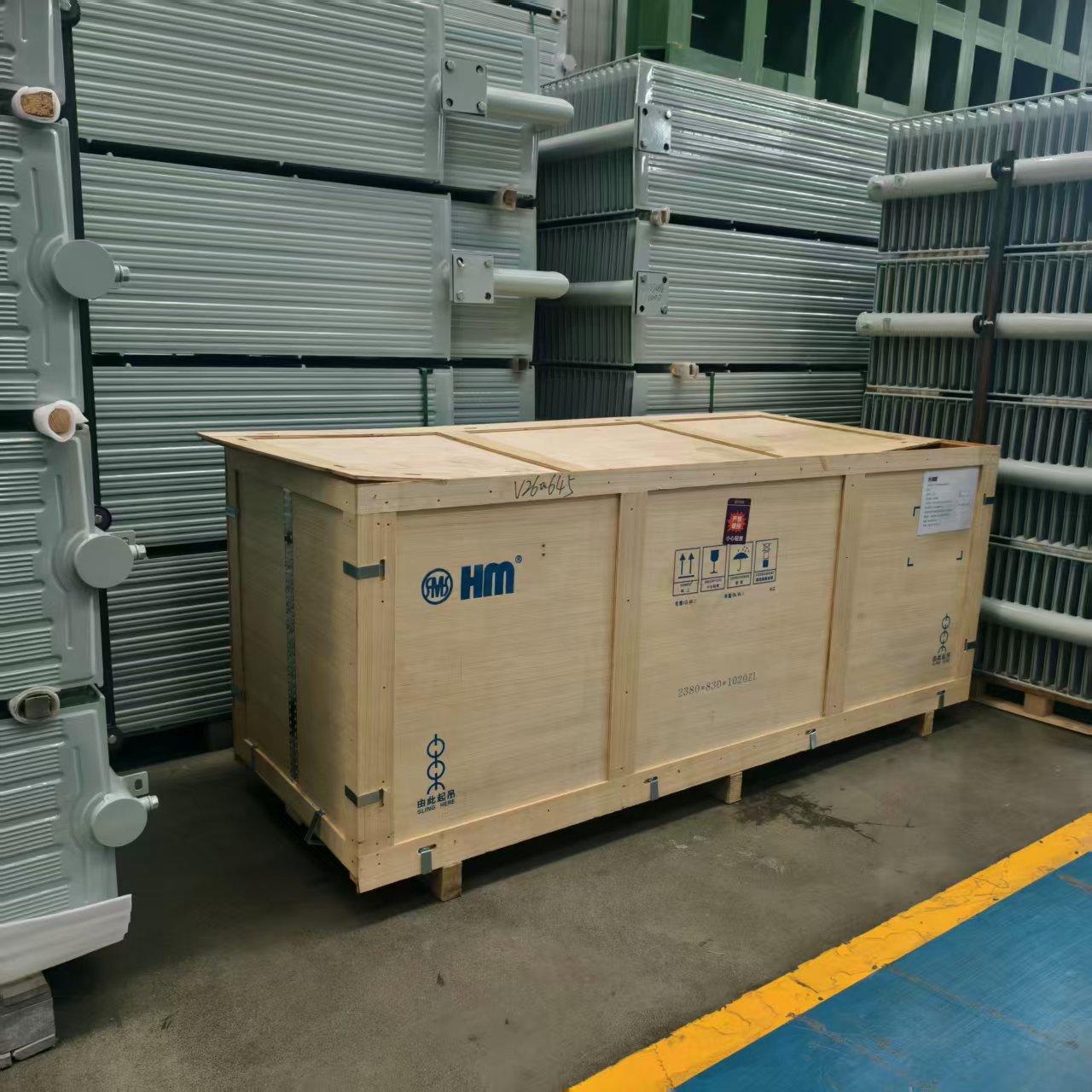
Transformer Selection for Extreme Environments: High Temperature, Humidity, and Altitude Solutions
Standard transformers are designed for 40°C ambient, 1000m altitude, and 90% humidity. But reality is different — Middle East deserts reach 55°C, tropical regions sustain 95%+ humidity year-round, and highland mines exceed 4000m elevation. Here's how to adapt.
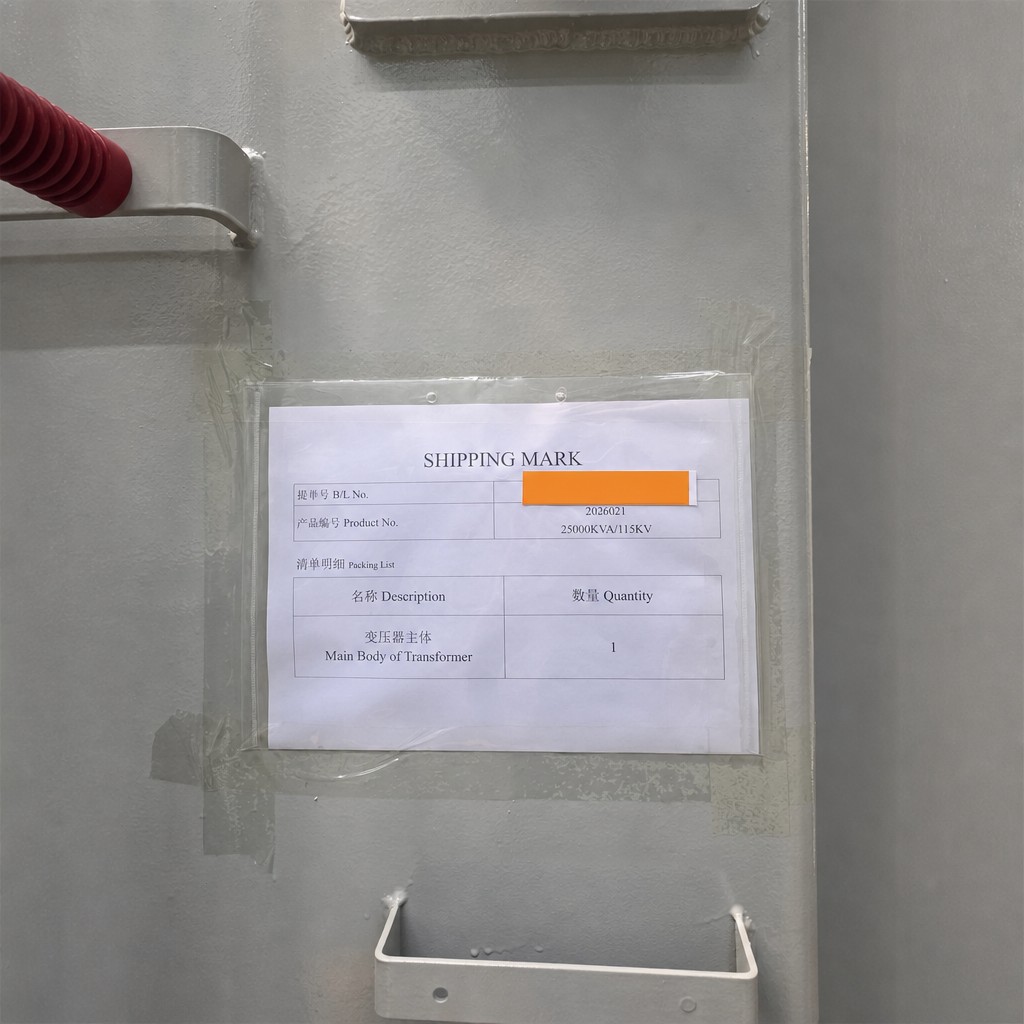
International Transformer Shipping: Project Cargo Logistics from Factory to Site
Power transformers are among the most challenging items to ship internationally — oversized, overweight, fragile, and time-critical. This guide covers the complete logistics chain from factory loading to site delivery.
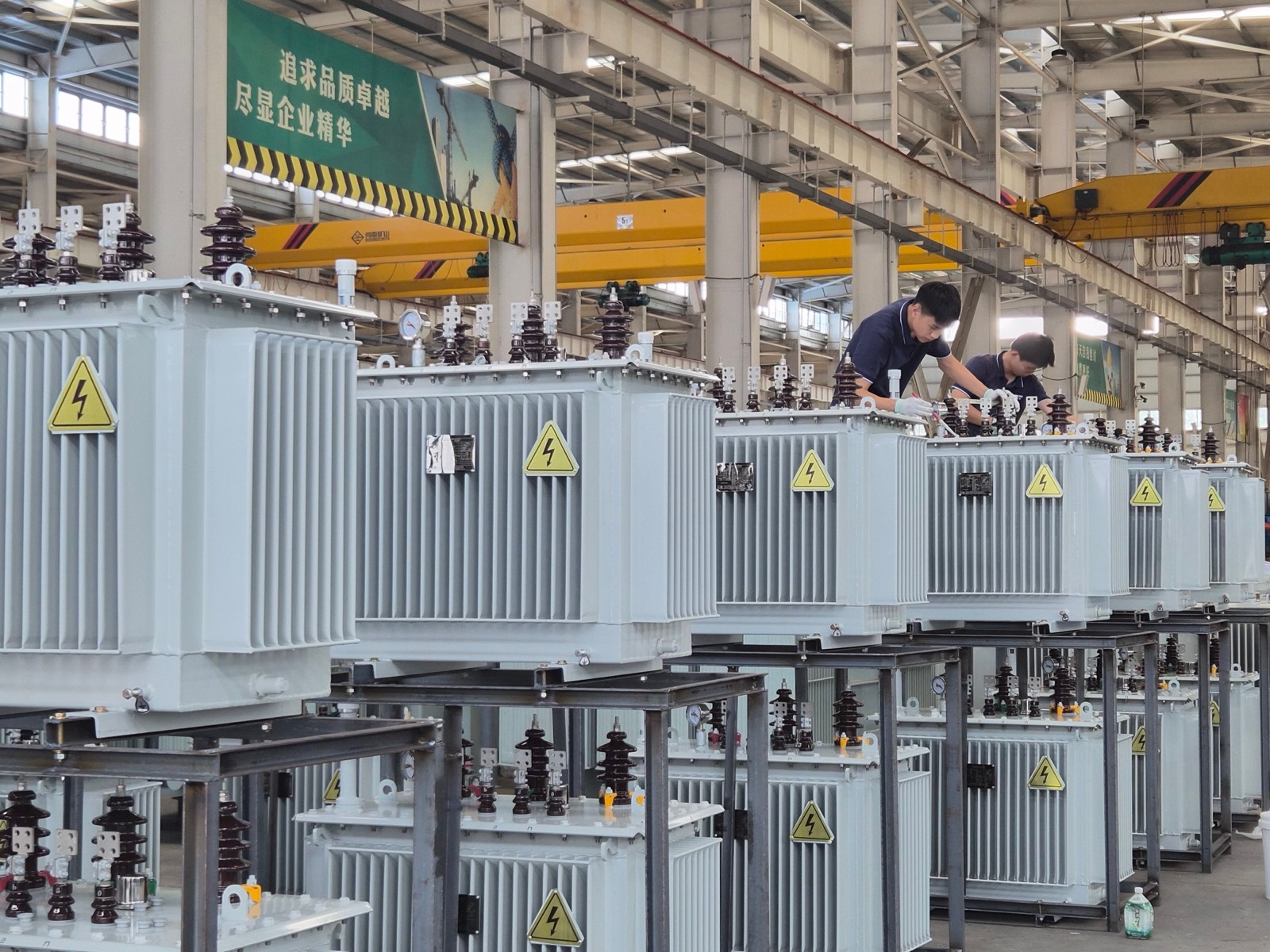
Transformer Lifecycle Management: Preventive Maintenance and Condition Monitoring
A well-maintained transformer can operate reliably for 35-40 years. A neglected one may fail catastrophically within 15 years. This guide covers the essential maintenance strategies that maximize asset life and minimize unplanned outages.
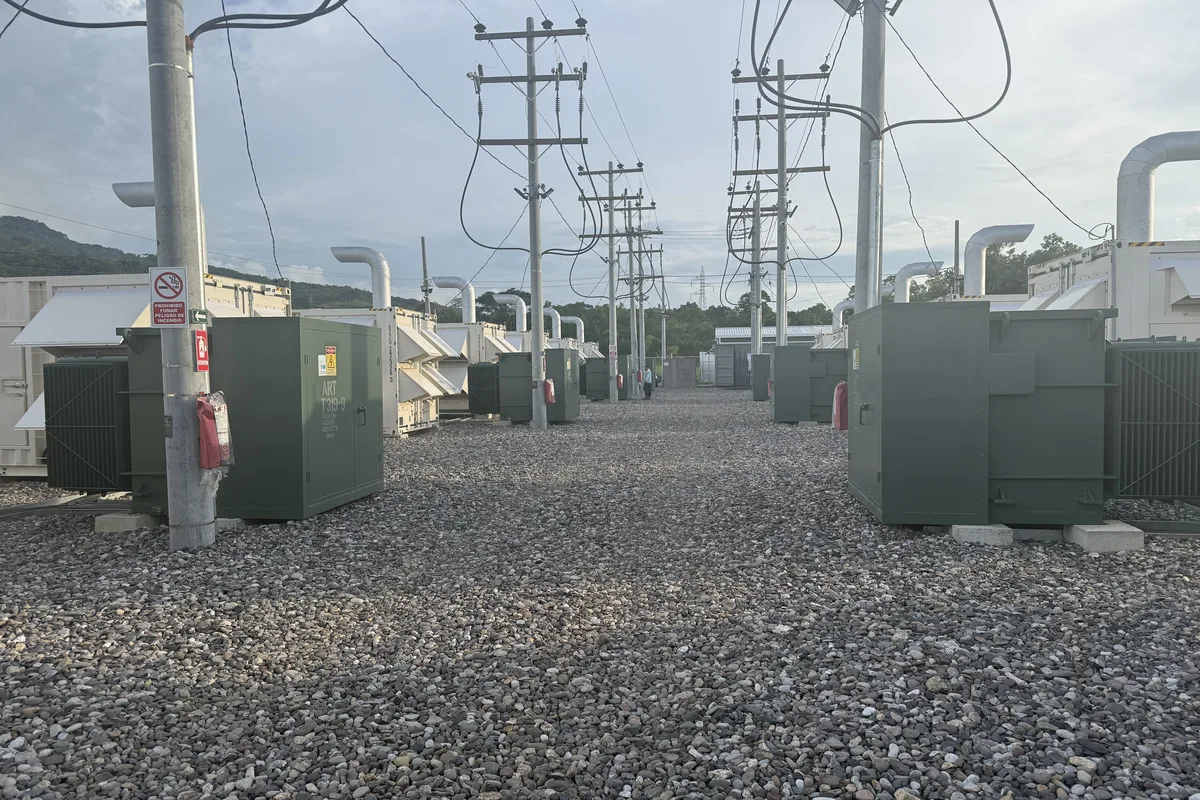
Step-Up vs Step-Down Transformer: Engineering Guide for Project Buyers
Step-up and step-down transformers look similar in name but serve opposite roles in power systems. This guide explains when each is needed, how voltage class and vector group are selected, and what buyers must verify in FAT.
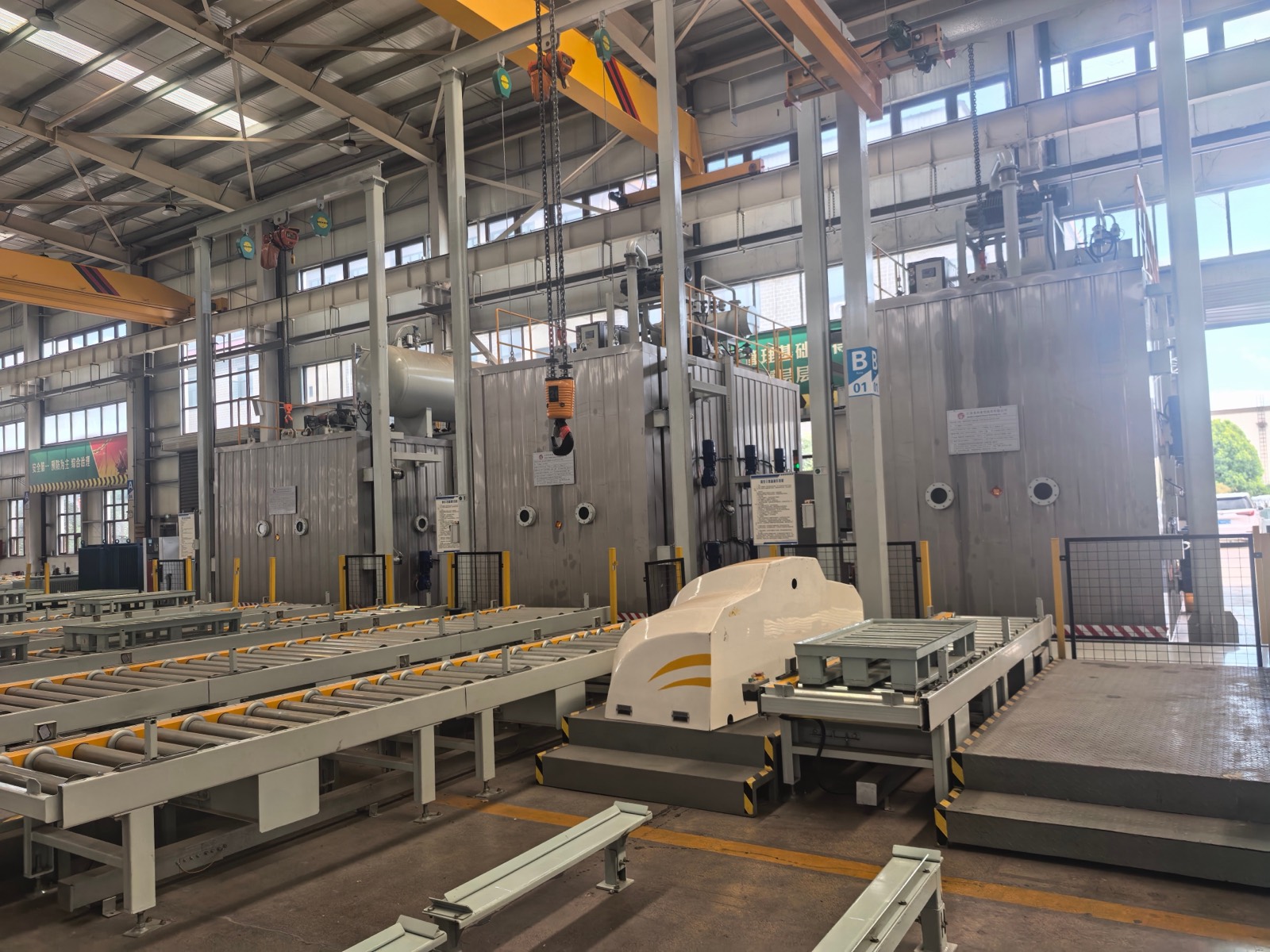
Vector Groups, Impedance Voltage & Short-Circuit Withstand: What Specifying Engineers Must Check
Three electrical parameters — vector group, impedance voltage, and short-circuit withstand — determine whether a transformer will survive in your grid. Here is how to specify and verify each one.
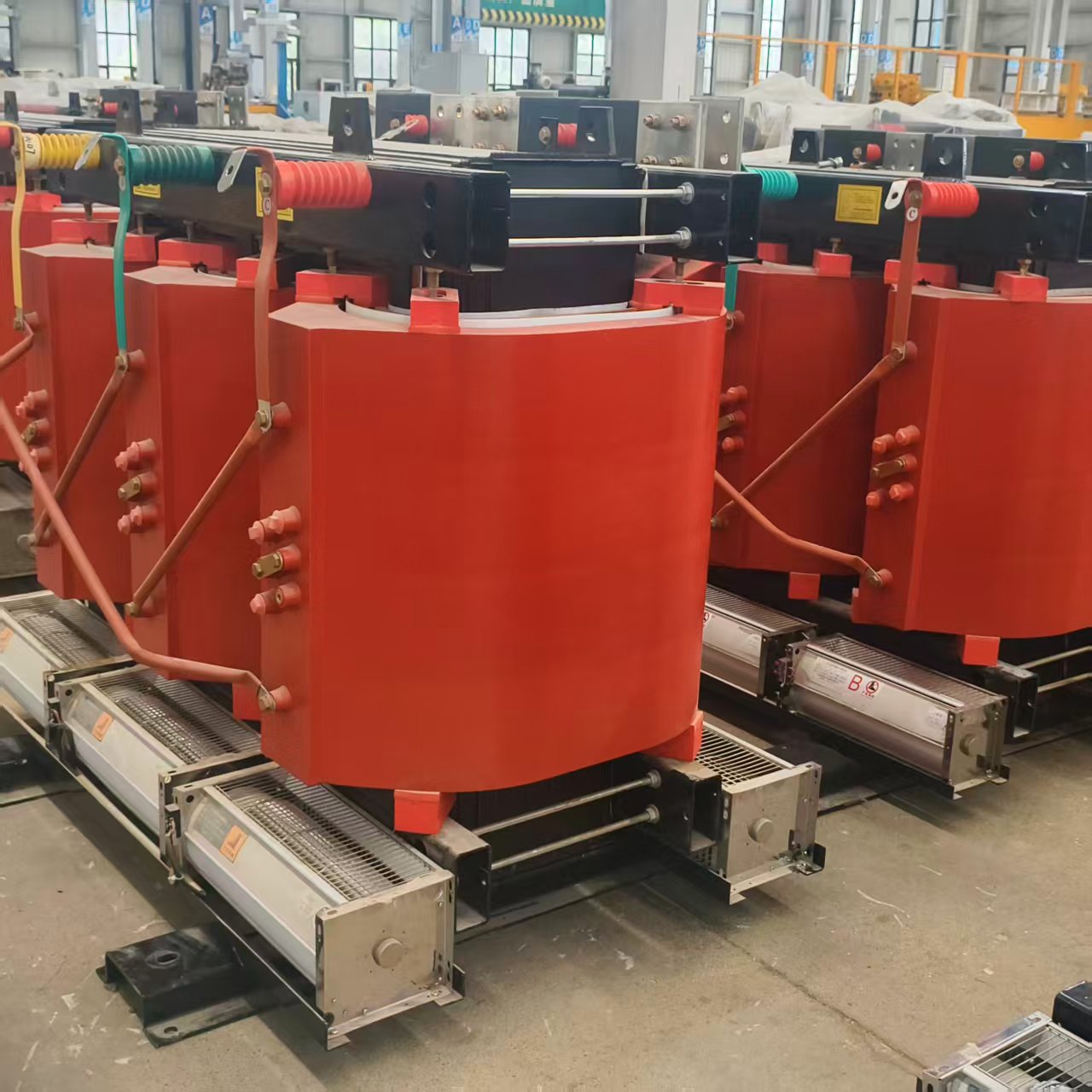
Dry-Type vs Oil-Immersed Transformer: Selection Guide for Indoor Substations
Indoor and underground substations almost always require dry-type transformers. This guide compares the two technologies on fire safety, noise, overload capability, and lifecycle cost to help project engineers select correctly.
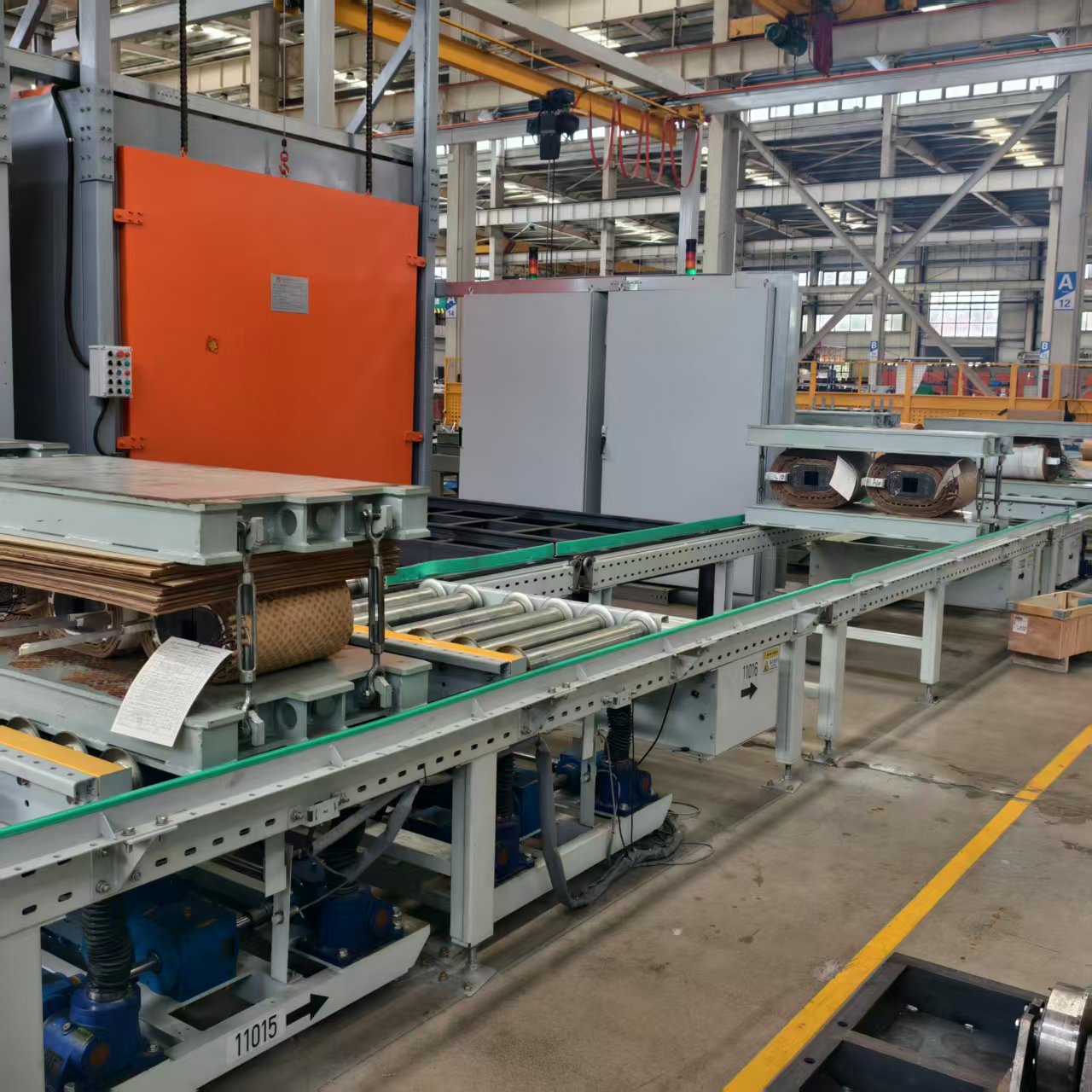
How to Verify a Chinese Transformer Factory Before You Procure
A practical buyer's checklist for qualifying a Chinese transformer manufacturer before placing a purchase order — covering factory audits, type-test certificates, financial health, and the warning signs that indicate a supplier to avoid.
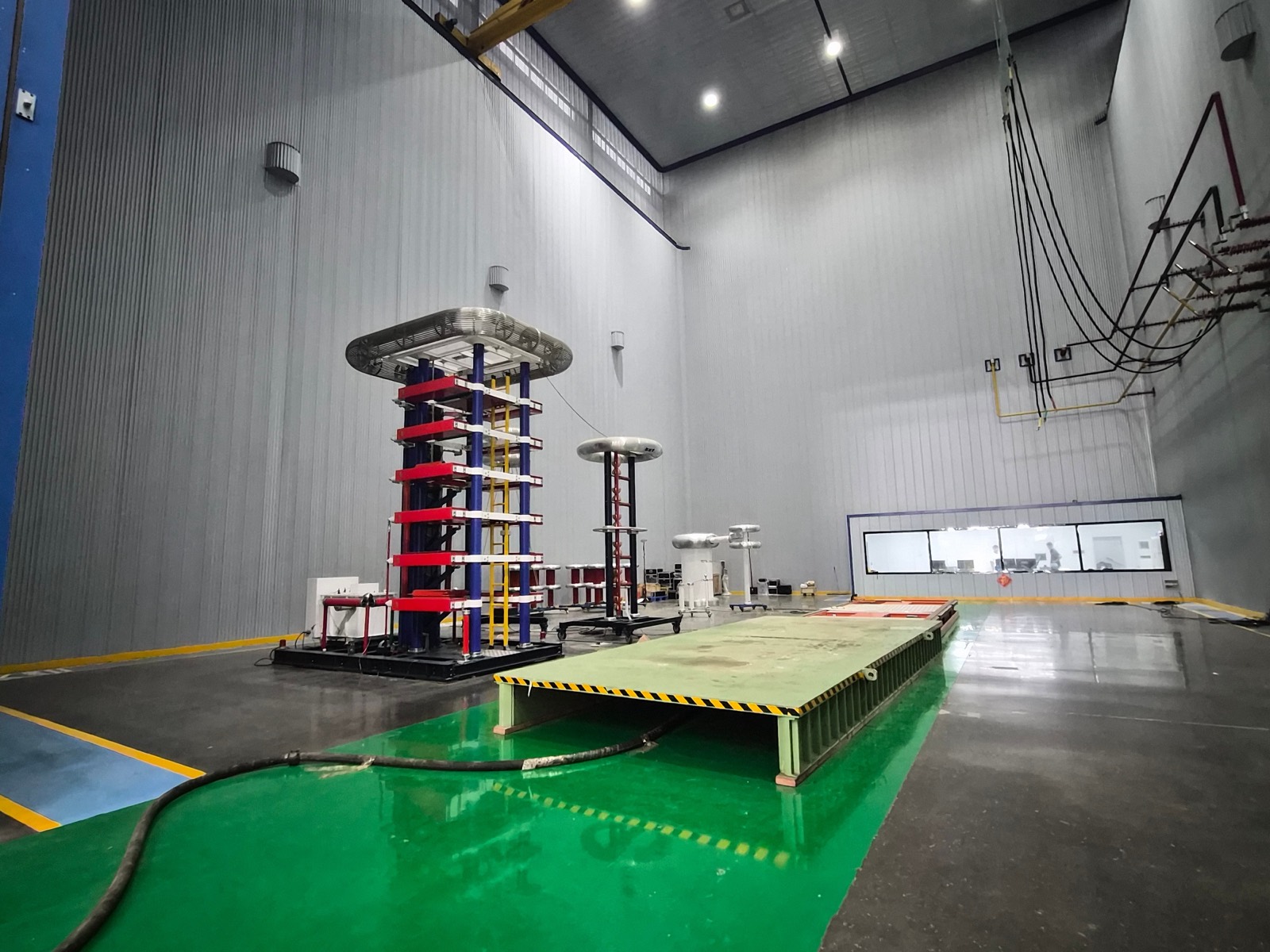
Qualifying an ANSI/IEEE-Compliant Transformer Supplier Outside Your Approved Vendor List
With domestic OEM lead times running 50-70+ weeks for medium-power transformers, many North American procurement and engineering teams are evaluating non-approved-list manufacturers for the first time. This guide covers the documentation, testing, and utility-acceptance steps that qualify a new supplier without weakening your standards.
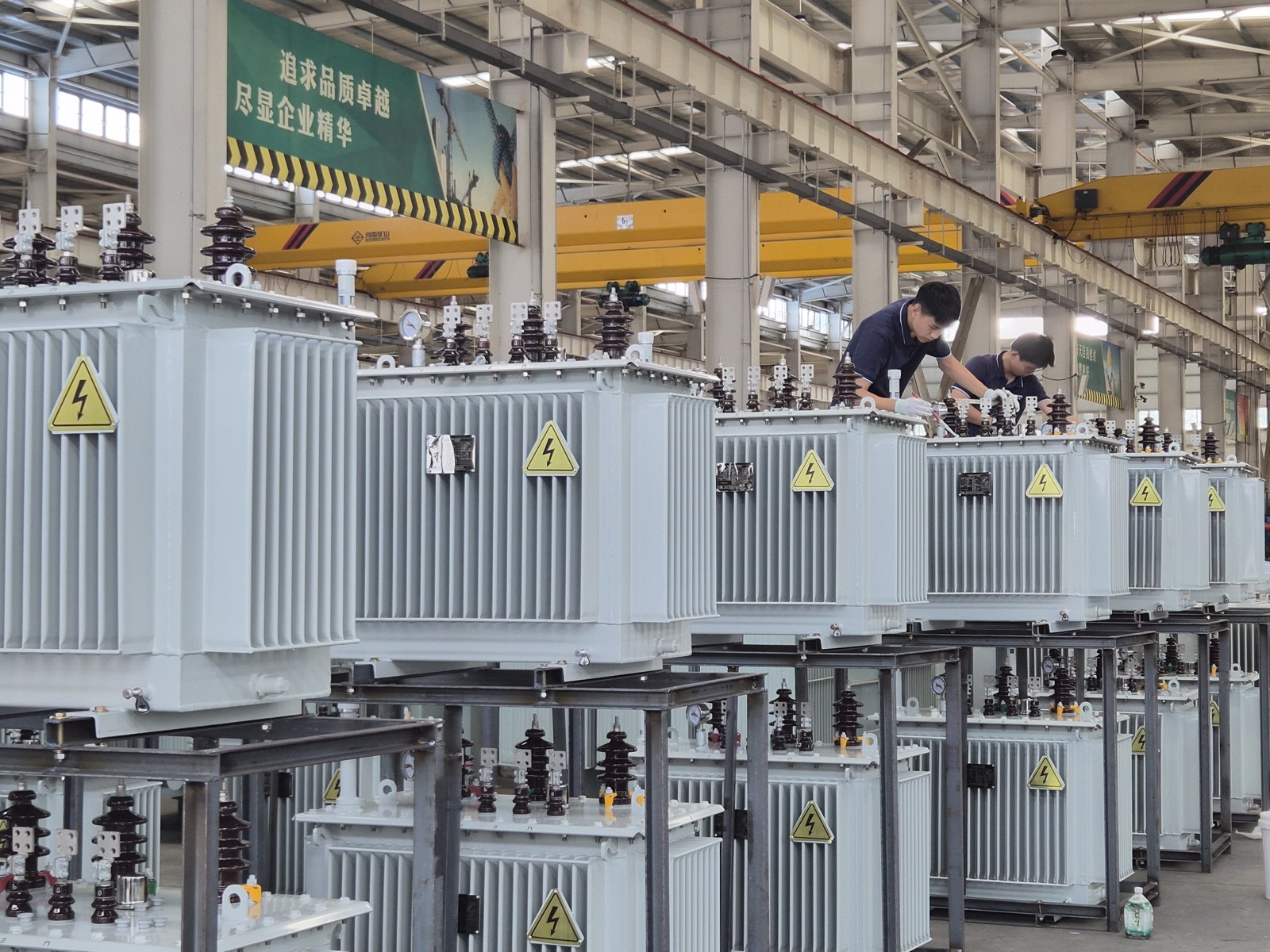
Engineering-Led Sourcing Partner vs. B2B Marketplace: What's the Actual Difference?
Alibaba, Global Sources, and a specialized sourcing partner are often compared as if they were three interchangeable options for the same job. They are not. This guide explains what each model actually does, who owns quality control, and how to decide which fits your project.
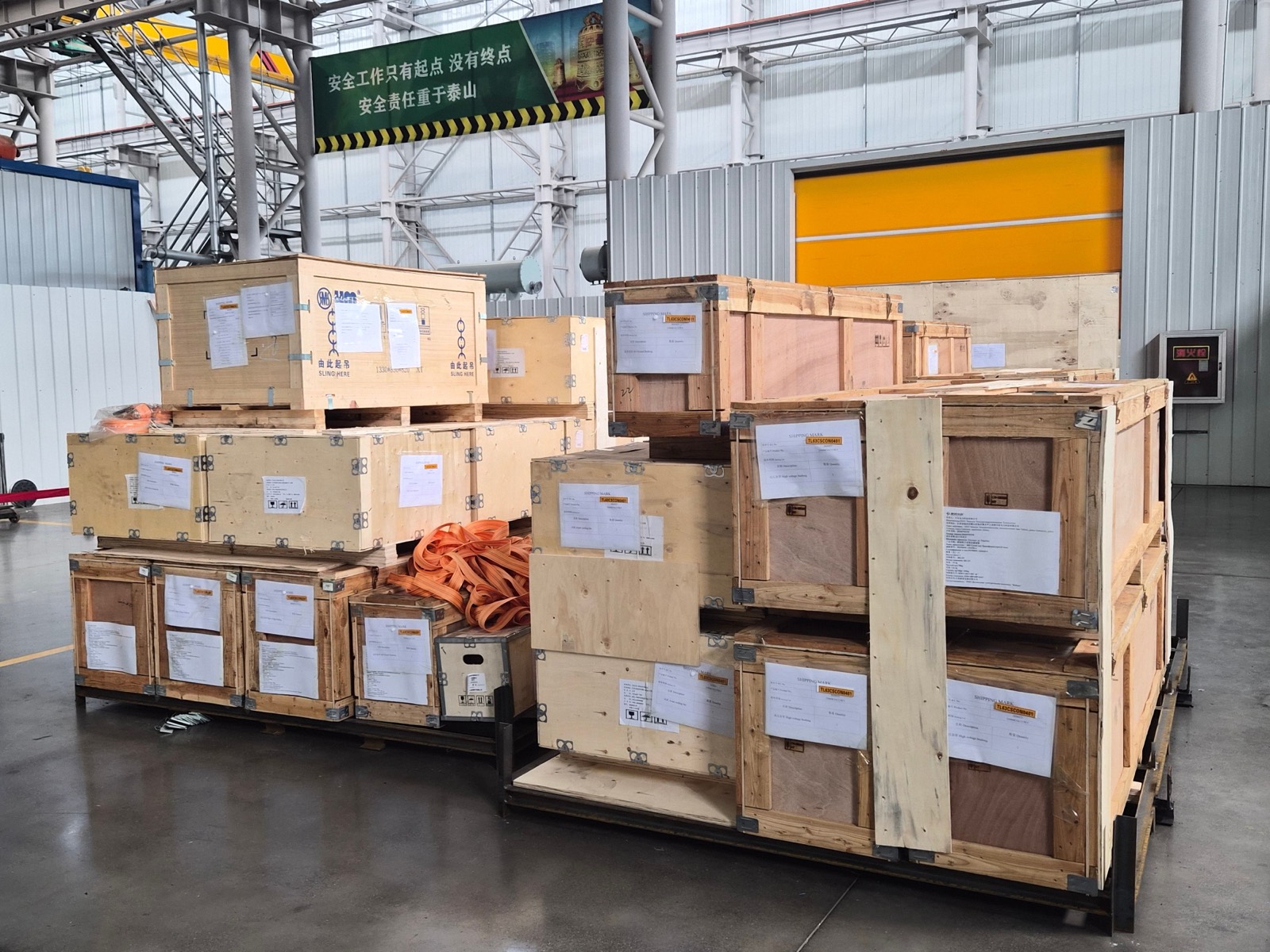
C4M Anti-Corrosion Coating for Transformers: ISO 12944 Specification Guide
C4M is the corrosivity category most commonly specified for coastal and marine-adjacent substations, but it is also one of the most frequently under-delivered coating specifications in transformer procurement. This guide covers what C4M actually requires, how it differs from C3 and C5-M, and how to verify a supplier's coating actually meets it.
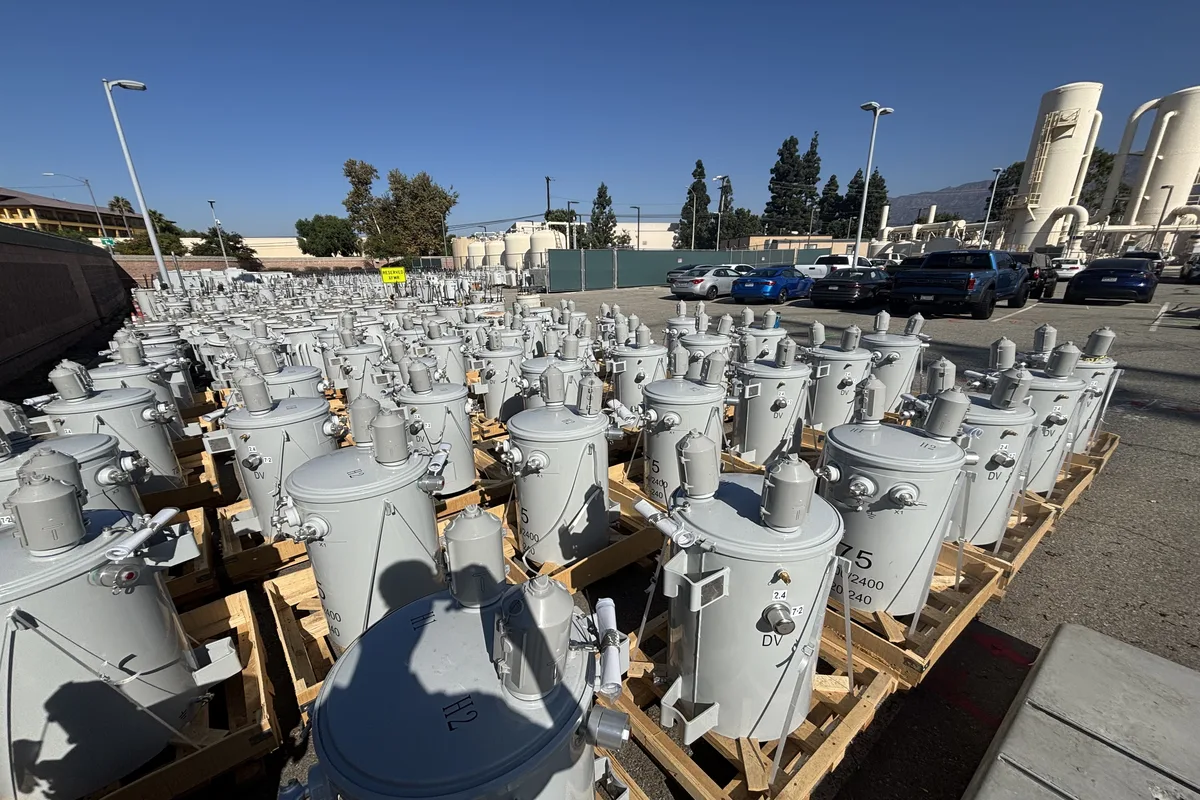
ISO 12944 Corrosion Classes Explained: C3 vs C4 vs C5M vs C5I for Transformer Coating
ISO 12944 splits outdoor corrosion environments into classes from C1 to CX. Choosing the wrong class for a substation means either paying for coating you do not need or installing a transformer that corrodes within two years. This guide explains the C3, C4, C5M and C5I classes, and how to specify the right one.
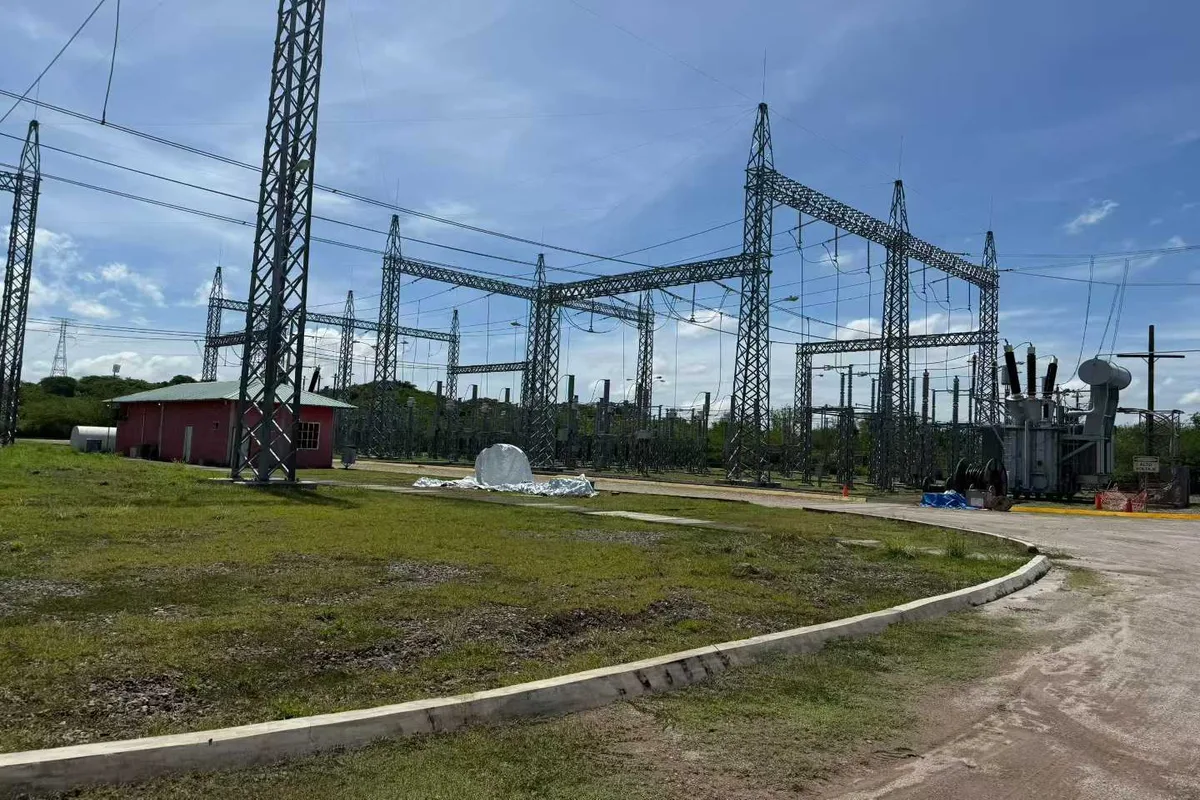
Power Transmission Transformer Sourcing: Supplier Selection & Specification Guide
Sourcing a 35kV-220kV power transmission transformer is an engineering decision, not a catalog purchase. This guide covers the two things that decide whether a project succeeds: writing a specification that gets comparable quotes, and verifying the supplier against it before the order is placed.
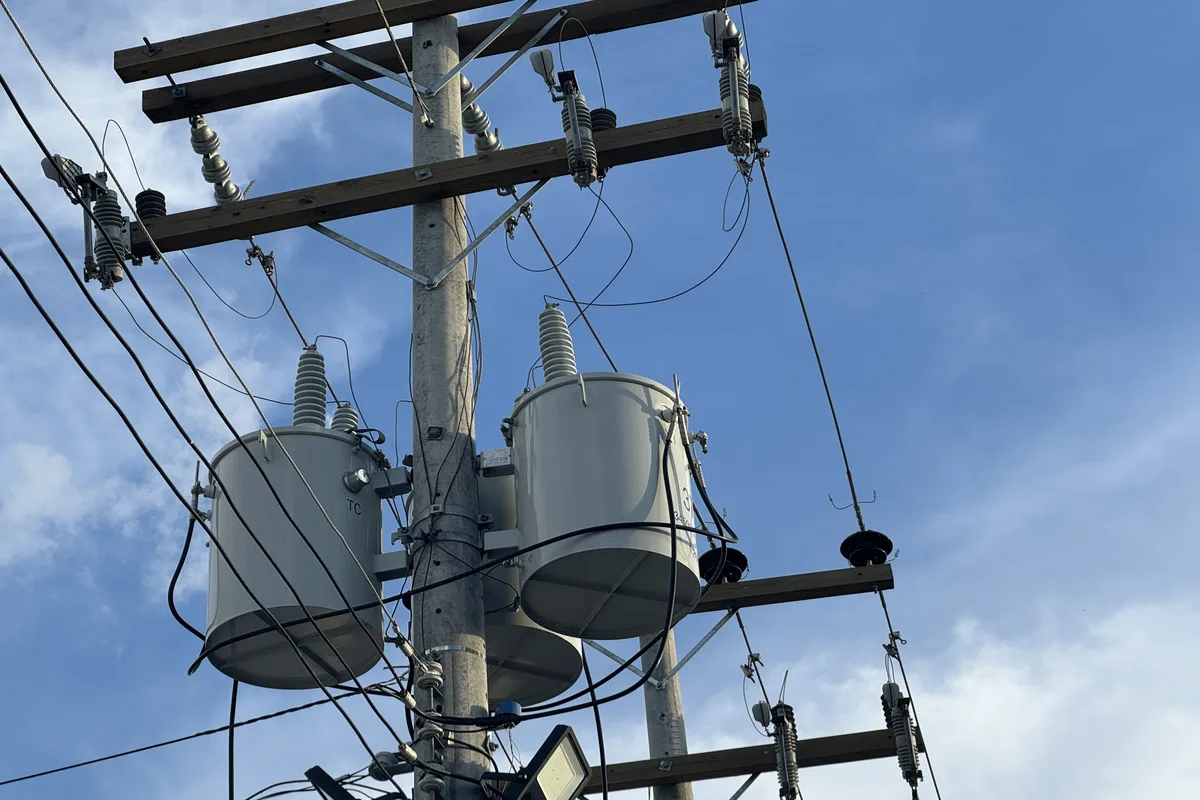
C5M Marine Coating for Transformers: ISO 12944 Offshore & Coastal Specification
C5M is the corrosivity category for severe marine environments - a step above C4M, with a thicker coating system (~240 um+ DFT), Sa 2.5 blast prep, and a chemical-resistant topcoat. This guide explains when a coastal or offshore-adjacent transformer actually needs C5M, and how to verify the coating meets it.
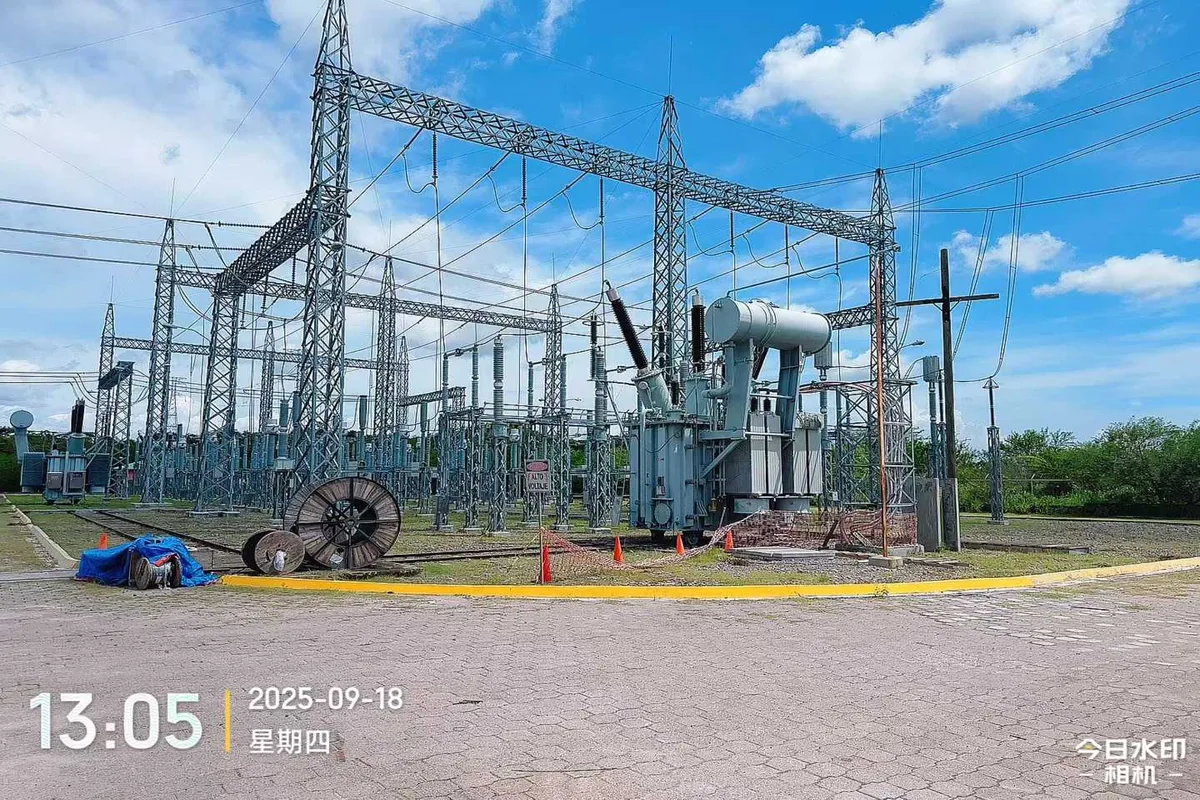
Coastal Substation Transformer Corrosion Protection: ISO 12944 Coating Guide
Coastal substations corrode faster than inland sites because of salt deposition, high humidity, and chloride-driven coating failure. This guide covers the ISO 12944 class to specify (C4M vs C5M), the coating system required, and how to verify a transformer will survive a marine environment.
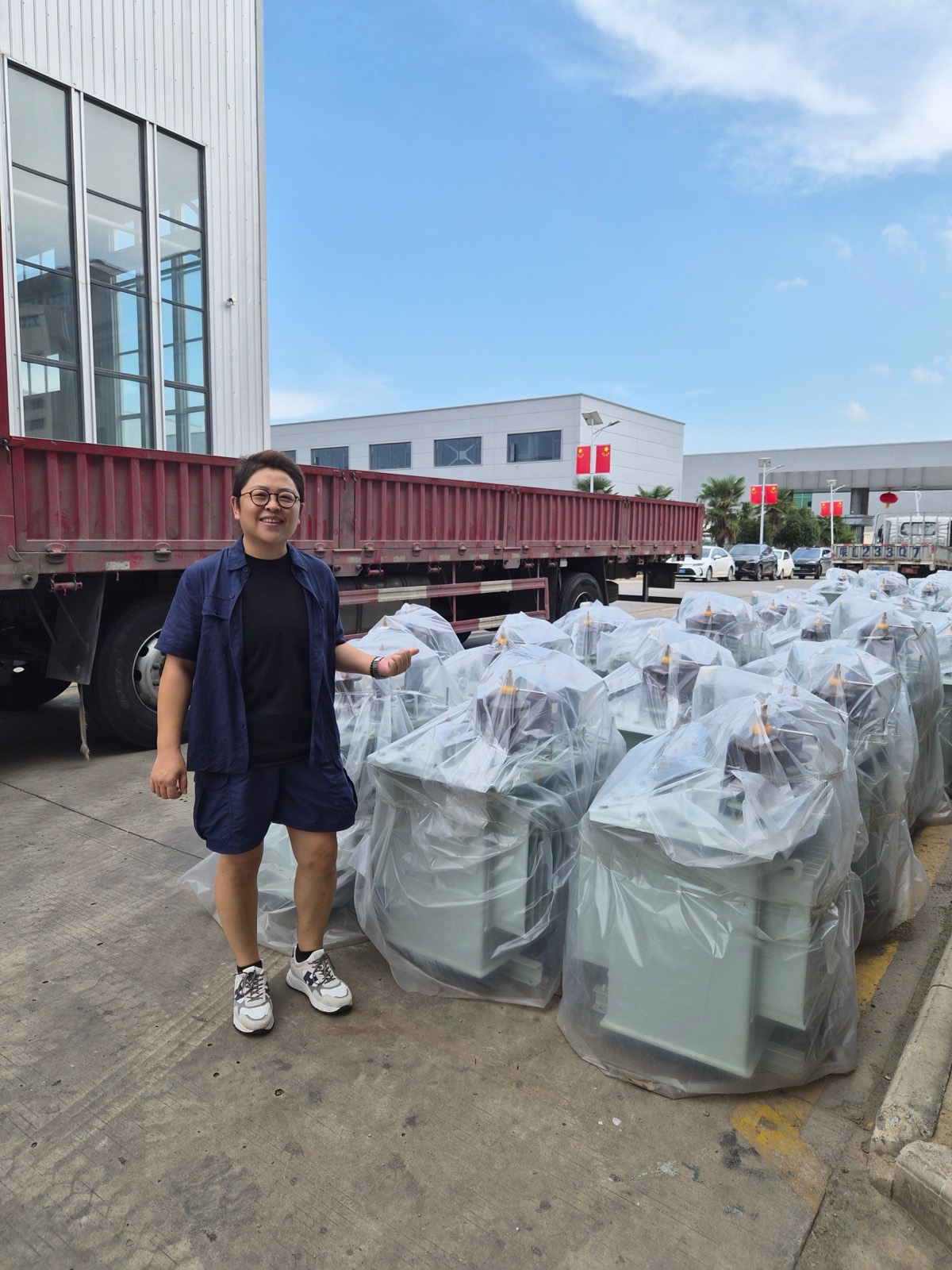
Transformer Installation & Commissioning: Site Testing and Energization Checklist
The most common transformer failures happen not in the factory but between delivery and energization - improper unloading, skipped oil processing, or a rushed site test. This guide covers the installation and commissioning steps that prevent those failures: site receiving, oil/vacuum treatment, pre-energization testing, and what to demand from a commissioning engineer.
Need Expert Advice for Your Transformer Project?
Our engineering team can help you select the right transformer specifications, verify factory quality, and manage international logistics for your specific project requirements.
Start Your Project