
ISO 12944 Corrosion Classes Explained: C3 vs C4 vs C5M vs C5I for Transformer Coating
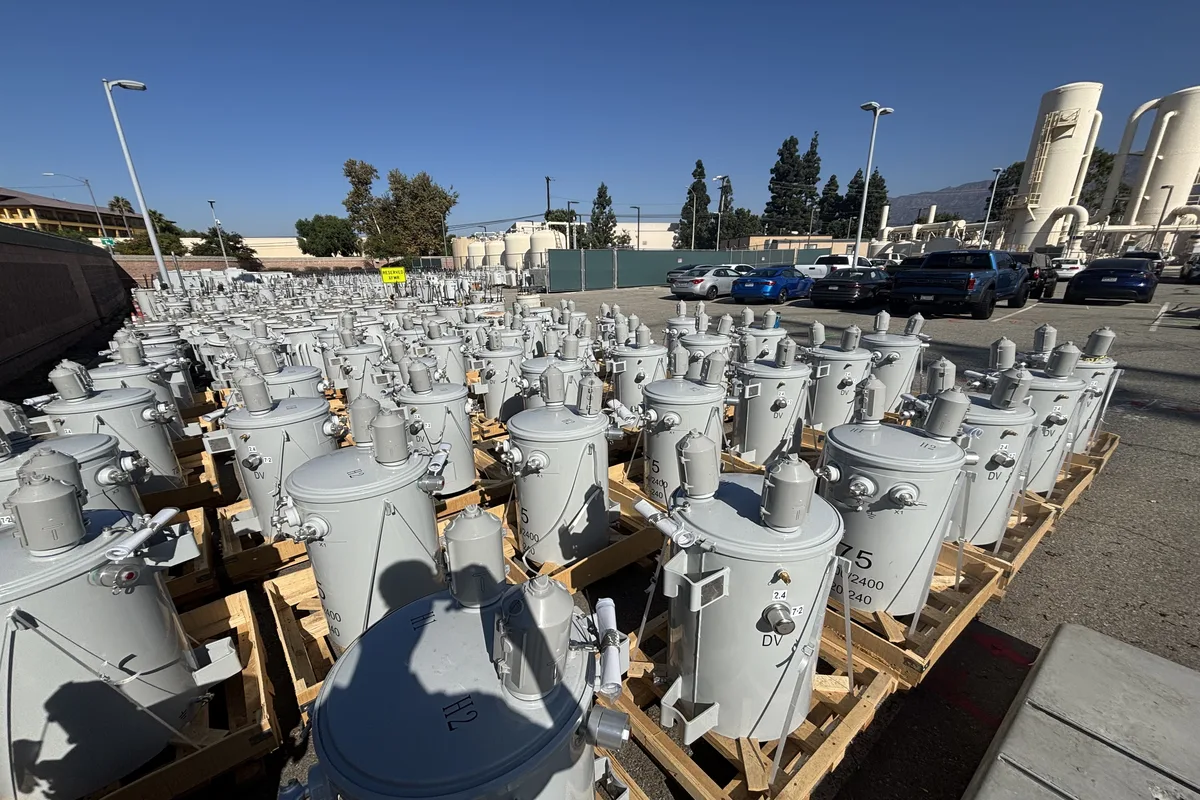
ISO 12944 Corrosion Classes Explained: C3, C4, C5M, C5I for Transformer Coating
The Short Answer
ISO 12944-2 classifies outdoor corrosion environments from C1 (very low) to C5 (very high) and CX (extreme/offshore). For substation transformers, the choice almost always comes down to four classes: C3 (inland/urban), C4 (industrial or coastal with moderate salinity), C5M (severe marine), and C5I (severe industrial). Getting this right is a coating cost-versus-lifetime decision: specify too low and the tank corrodes in 18-36 months; specify too high and you pay for a coating system the site does not require.
What ISO 12944-2 Actually Classifies
ISO 12944 (Corrosion protection of steel structures by protective paint systems) is the international reference for matching a paint system to an environment. Part 2 defines the corrosivity categories. Each category is a shorthand for a specific combination of atmospheric salinity, humidity, temperature cycling, and industrial pollutants — and each maps to a minimum coating system (surface preparation, number of coats, and dry film thickness).
The categories that matter for substations:
| Class | Typical environment | What it means for a transformer |
|---|
| C3 | Urban and inland industrial, moderate humidity | Standard 3-coat system, ~160 μm DFT is usually adequate |
|---|---|---|
| C4 | Industrial areas, or coastal with moderate salinity | Stronger system, ~200 μm DFT, Sa 2.5 blast prep |
| C5M | Severe marine — near-coast, high salinity, high humidity | ~240 μm+ DFT, epoxy/polyurethane, adhesion testing |
| C5I | Severe industrial — chemical plant, high pollutants | ~240 μm+ DFT with chemical-resistant topcoat |
| CX | Offshore and extreme | Full offshore system, often beyond standard transformer paint |
C3 vs C4 vs C5M vs C5I: How to Choose
The decision is driven by one question: what is the dominant corrosion driver at the site?
Choose C3 when the substation is inland, away from the coast, with no chemical or heavy industrial pollution nearby. This is the cheapest correct choice for a large share of urban and rural sites. Choose C4 when the site is either industrial (moderate airborne pollutants) or coastal-but-set-back (moderate salinity, not direct sea spray). C4 is the default for many tropical and subtropical grid projects where humidity is high but salt deposition is not extreme. Choose C5M when the site is directly marine-exposed — within a few kilometres of the coast, subject to salt spray, or in a hot, humid, salt-laden atmosphere. This is the class behind most "C4M" and "C5M" coastal substation specifications, and the one most frequently under-delivered. Choose C5I when the site is in or next to a chemical plant, refinery, or heavy industrial zone where acidic or corrosive gases dominate, rather than salt.A common mistake is to treat C4 and C5 as "basically the same, just thicker paint." They are not: the surface preparation standard, the number of coats, the intermediate coating chemistry, and the verification protocol all change between classes. Specifying "C5M" while budgeting for a C3-grade system is the single most common way these specs fail in practice.
How to Specify the Right Class (Checklist)
When you write the coating requirement into a transformer specification, include:
- The exact class code, written as "ISO 12944-2, category C5M" (not just "marine coating" or "anti-corrosion paint")
- The durability range: medium (5-15 years) or high (15-25 years) per ISO 12944-1, since minimum DFT depends on this
- The full coating system: number of coats, each coat's product and nominal DFT, and total system DFT
- Surface preparation: blast grade (Sa 2.5 minimum for C4 and above) and anchor profile
- Verification: dry film thickness measurement points, pull-off adhesion (ISO 4624), and holiday/pinhole detection
From Class to Coating: What Happens Next
Once the class is selected, the specification needs to become a real, verifiable coating system — and that is where most coastal projects run into trouble. For a deep dive on the class most commonly specified for coastal substations, see our [C4M anti-corrosion coating specification guide](/resources/c4m-coating-transformer-corrosion-protection-guide/), which covers the exact DFT, surface preparation, and inspection requirements.
For a worked example of the whole specification applied to a real coastal project, see our [C4M anti-corrosion power transformer reference project](/cases/southeast-asia-substation-c4m/) — 110kV/22kV, 50MVA units engineered to a 220μm total DFT system for a coastal substation with year-round humidity above 90% RH.
If your project specification includes a C3, C4, C5M, C5I or CX coating requirement, submit the site conditions and our engineering team will confirm the correct class and coating system before production begins.
Need specific technical advice for your project?
Submit your project details (voltage class, capacity requirements, installation environment) and our engineering team will provide tailored transformer selection recommendations and budget references.
Submit Your ProjectRelated Articles
C4M Anti-Corrosion Coating for Transformers: ISO 12944 Specification Guide
2026-08-25
Special ApplicationsTransformer Selection for Extreme Environments: High Temperature, Humidity, and Altitude Solutions
2026-06-15
Quality AssuranceQuality Verification for Overseas Transformer Procurement: From Factory Audit to FAT
2026-06-12
Need Technical Support?
Our engineering team is ready to help with transformer selection, quality verification, and technical specification questions.
Get Expert Advice