Coastal Substation Transformer Corrosion Protection: ISO 12944 Coating Guide
Coastal Substation Transformer Corrosion Protection: ISO 12944 Coating Guide
The Short Answer
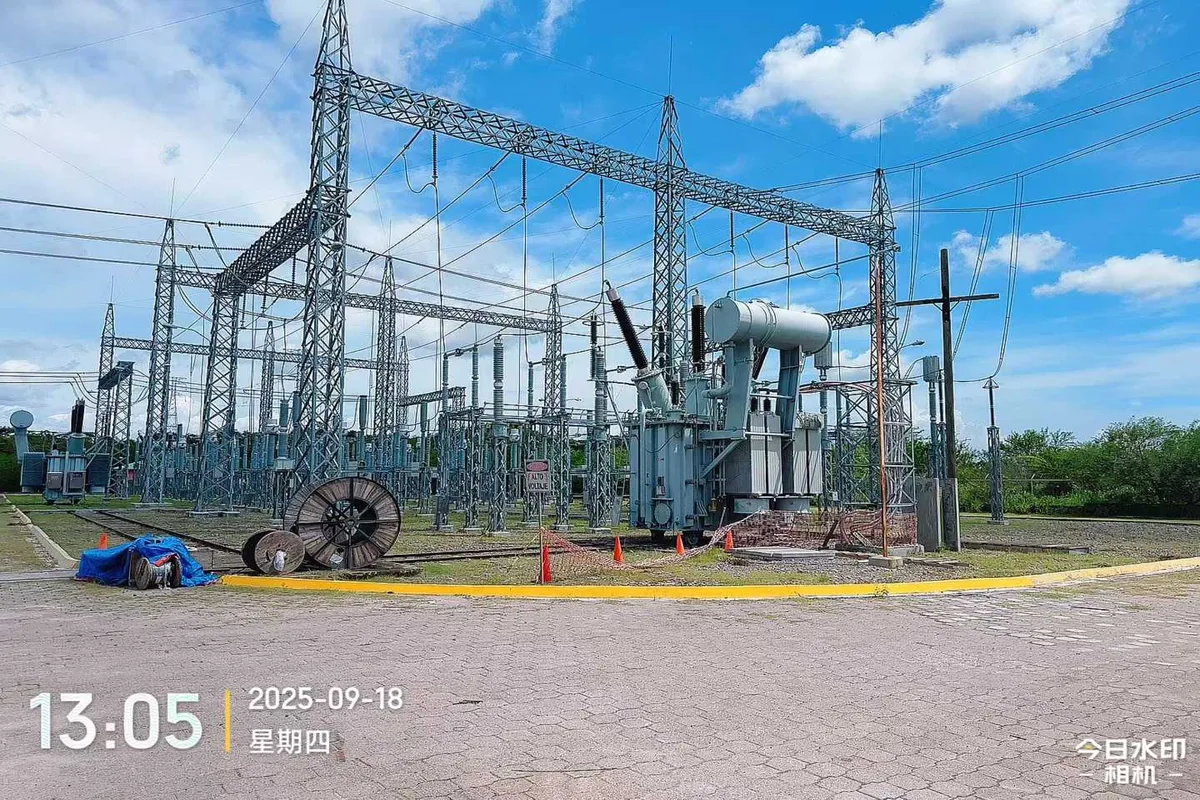
Coastal substation transformers fail faster than inland units because salt deposition, high humidity, and chloride ions attack the coating and the steel beneath it. The correct protection is an ISO 12944 marine-class coating system - C4M for coastal-but-set-back sites, C5M for near-coast, high-salinity, or offshore-support sites - with a multi-coat system (zinc-rich primer + epoxy intermediate + polyurethane topcoat), Sa 2.5 blast prep, and 200-240 μm+ dry film thickness, verified by multi-point DFT and adhesion testing.
Why Coastal Substations Corrode Faster
The failure mechanism is specific and fast. Salt spray deposits chloride ions onto every exposed surface. In the presence of humidity, those chlorides create an electrolyte that accelerates steel corrosion well beyond what inland pollution does. The result: coating blistering, under-film corrosion, and pitting on welds and corners - the exact areas where a thin or uneven coating fails first.
Three factors make coastal sites worse:
- Salt deposition - chloride is the primary driver; it does not wash off easily
- High relative humidity - keeps the surface damp, sustaining the corrosion reaction
- UV + thermal cycling - cracks the topcoat, letting moisture and salt reach the primer and steel
Choosing the ISO 12944 Class: C4M vs C5M
The single most important specification decision is the corrosivity class:
| Condition | Recommended class | Typical DFT |
|---|
| Coastal, set back, moderate salinity | C4M | ~200 μm |
|---|---|---|
| Near-coast, high salinity, salt spray | C5M | ~240 μm+ |
| Offshore-support / island | C5M or CX | 240 μm+ / offshore system |
Under-specifying is the expensive mistake: a C4M system on a C5M site fails within 18-36 months. For the detailed comparison, see our [ISO 12944 corrosion classes guide](/resources/iso-12944-corrosion-classes-explained/).
The Coating System a Coastal Transformer Needs
A compliant marine-class system is always multi-coat, never a single thick coat:
Surface preparation is the make-or-break step: Sa 2.5 (near-white metal) blast cleaning with a proper anchor profile (40-75 μm). Skip this and the whole system loses adhesion, no matter how thick the topcoat.
How to Verify the Coating Before You Accept
A coastal transformer that "looks painted" can still fail inspection. Request and check:
- Surface prep record: blast grade (ISO 8501-1), abrasive, anchor profile
- DFT inspection report: 25+ points per unit, including welds, corners, and recessed areas - not flat-panel averages
- Pull-off adhesion results per ISO 4624
- Holiday/pinhole detection for coating film integrity
- Export packaging spec: VCI treatment, moisture barrier, impact-protected cradling
For the full verification process, see our [C4M anti-corrosion coating specification guide](/resources/c4m-coating-transformer-corrosion-protection-guide/) and our [C5M marine coating guide](/resources/c5m-marine-coating-transformer-offshore/). For a worked coastal example, see our [C4M anti-corrosion power transformer reference project](/cases/southeast-asia-substation-c4m/).
If your project is a coastal or marine substation, submit the site location, distance from the coast, and humidity data, and our engineering team will confirm the correct ISO 12944 class and coating system before production begins.
Need specific technical advice for your project?
Submit your project details (voltage class, capacity requirements, installation environment) and our engineering team will provide tailored transformer selection recommendations and budget references.
Submit Your ProjectRelated Articles
C5M Marine Coating for Transformers: ISO 12944 Offshore & Coastal Specification
2026-08-28
Technical SpecificationC4M Anti-Corrosion Coating for Transformers: ISO 12944 Specification Guide
2026-08-25
Special ApplicationsTransformer Selection for Extreme Environments: High Temperature, Humidity, and Altitude Solutions
2026-06-15
Need Technical Support?
Our engineering team is ready to help with transformer selection, quality verification, and technical specification questions.
Get Expert Advice