Power Transmission Transformer Sourcing: Supplier Selection & Specification Guide
Power Transmission Transformer Sourcing: Supplier Selection & Specification Guide
The Short Answer
Sourcing a power transmission transformer (35kV to 220kV, and sometimes higher) is not a catalog purchase — it is an engineering procurement decision. Two factors decide whether the project succeeds: (1) whether the specification is complete enough to produce comparable quotes, and (2) whether the supplier is verified against that specification before the order is placed. Get either one wrong and the cost shows up later, as a unit that cannot be energized, a test report the utility rejects, or a delivery that slips by months.
What a "Power Transmission Transformer" Actually Covers
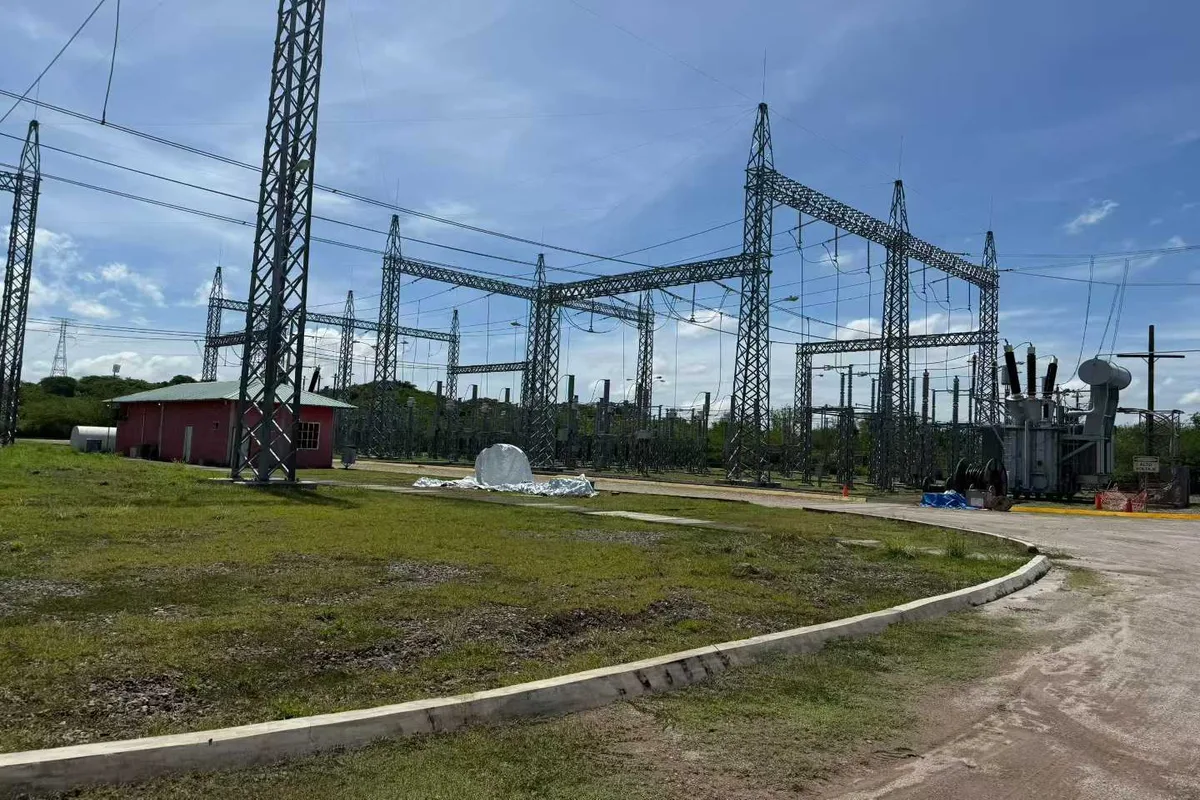
In grid terms, transmission transformers sit between generation and distribution: they step voltage up at the power plant for efficient long-distance transport, and step it down at substations for regional distribution. They are typically the largest, highest-voltage, and longest-lead-time transformer a project will buy.
The specification is usually driven by four things:
- Voltage class and MVA rating — e.g. 110kV/35kV, 20MVA to 63MVA
- Vector group and impedance — Dyn11, YNd11, and a specified impedance voltage (%)
- Cooling and insulation — ONAN/ONAF for oil-immersed, or cast-resin for dry-type indoor units
- Applicable standard — IEC 60076 internationally, IEEE C57 for North America, plus any destination-country grid code
The Supplier Selection Criteria That Actually Matter
| Criterion | What to check | Red flag |
|---|
| Voltage-class track record | Has the factory shipped units at your exact voltage class before, with test reports to prove it? | "We can make it" with no reference units at that class |
|---|---|---|
| Factory authorization | Does the seller hold a formal, documented authorization from the actual factory, or are they a catalog reseller? | Seller cannot name or document the factory |
| Type-test coverage | Are type tests available for the design family, not just routine tests for a single unit? | Only routine test reports offered |
| FAT & witness capability | Can the factory support a witnessed factory acceptance test, in person or by video? | Resistance to witness testing |
| Export logistics record | Has the factory shipped oversized, oil-filled units to your destination region? | No heavy-cargo export history |
A supplier who clears these five is worth quoting. A supplier who cannot document the first two should be deprioritized regardless of price.
How to Write a Specification That Gets Comparable Quotes
The single most common sourcing mistake is sending a one-line inquiry ("quote me a 20MVA 110kV transformer") and then comparing three quotes that assume three different designs. A comparable-quote specification states, at minimum:
- Voltage class, MVA rating, and quantity
- Vector group and impedance voltage
- Cooling method and insulation type (oil or dry)
- Applicable standard and any deviations allowed
- Tap range and on-load/off-load tap changer requirement
- Site environment: altitude, ambient temperature, humidity, pollution/corrosivity class
- Required tests: routine, type, and whether FAT witness or third-party inspection (SGS/BV/TUV) is needed
- Destination port and Incoterms
For a deeper walkthrough of the selection decision, see our [MV/HV transformer selection guide](/resources/transformer-selection-guide/).
How to Verify a Supplier Before You Order
A complete specification is only half of it. Before a purchase order is signed, verify the supplier against that specification:
Our [factory verification checklist](/resources/how-to-verify-chinese-transformer-factory/) covers the full audit process in detail.
Why This Matters More Than Price
For a transmission transformer, the purchase price is only part of the total cost. A unit that fails a utility review, arrives with an incomplete test package, or cannot be energized on schedule carries costs that dwarf the initial price difference between quotes. Sourcing discipline — a complete specification plus verified supplier — is the cheapest insurance available.
For a comparison of sourcing through an engineering-led partner versus a general marketplace, see our [B2B sourcing partner vs. marketplace guide](/resources/sourcing-partner-vs-marketplace-platform/). If you have a transmission transformer requirement, submit your voltage class, MVA rating, vector group, and destination country, and our engineering team will confirm the specification and prepare a comparable-quote baseline.
Need specific technical advice for your project?
Submit your project details (voltage class, capacity requirements, installation environment) and our engineering team will provide tailored transformer selection recommendations and budget references.
Submit Your ProjectRelated Articles
MV/HV Transformer Selection Guide: Choosing the Right Type by Application Scenario
2026-06-10
Quality AssuranceQuality Verification for Overseas Transformer Procurement: From Factory Audit to FAT
2026-06-12
Procurement GuideEngineering-Led Sourcing Partner vs. B2B Marketplace: What's the Actual Difference?
2026-08-19
Need Technical Support?
Our engineering team is ready to help with transformer selection, quality verification, and technical specification questions.
Get Expert Advice